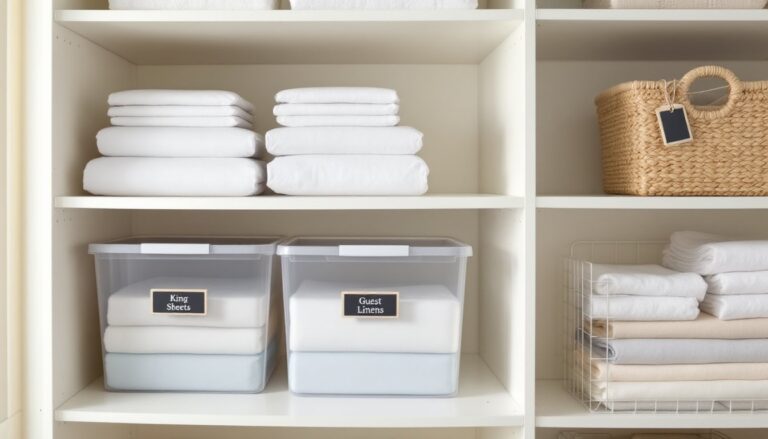
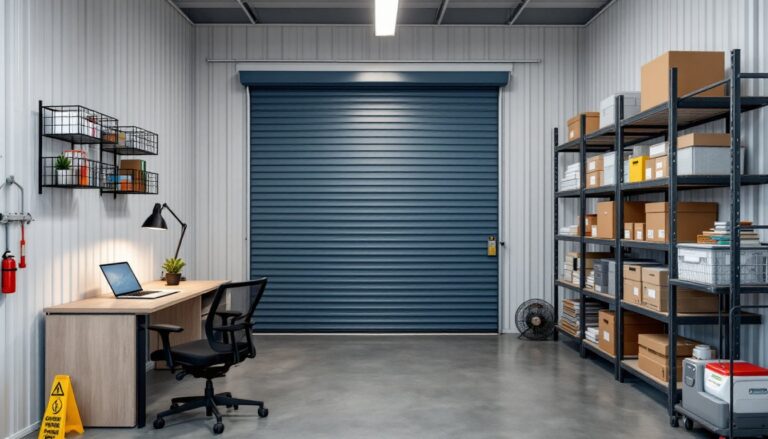
Large plastic storage bins are the workhorse of home organization, durable, affordable, and versatile enough to tackle everything from holiday decorations to workshop gear. Whether you’re reclaiming a cluttered garage, organizing a basement, or prepping seasonal items for long-term storage, the right bins make the difference between a system that holds up and one that collapses into chaos within a season. This guide breaks down what to look for, which types work best for specific applications, and how to get the most life out of your investment.
Table of Contents
ToggleKey Takeaways
- Large plastic storage bins with capacities from 18–50+ gallons are durable, affordable solutions that protect contents from moisture, pests, and UV damage while maximizing vertical storage in tight spaces.
- Clear bins work best for frequently accessed items like craft supplies and hardware, while opaque bins protect light-sensitive materials like textiles and photos—choose based on access frequency and visibility needs.
- Select bins with recessed lids, strong wall thickness (3mm+), and proper load capacity ratings for your environment; HDPE handles temperature swings better than polypropylene in unheated garages and attics.
- Match bin capacity to item weight and maneuverability—30-gallon bins suit dense items like books and tools, while 50-gallon bins work better for bulky-but-light contents like sleeping bags and decorations.
- Proper maintenance—cleaning before first use, labeling all sides, elevating bins off damp concrete, and inspecting latches annually—extends bin lifespan and prevents costly damage to stored items.
- Large plastic storage bins serve multiple roles beyond garages, including seasonal clothing rotation, holiday decoration organization, pet food storage, and emergency preparedness kits.
What Are Large Plastic Storage Bins and Why You Need Them
Large plastic storage bins are typically defined as containers with capacities ranging from 18 gallons to 50+ gallons, with footprints starting around 16″ x 24″ and going up to full tote-size dimensions like 23″ x 32″. Most are injection-molded from polypropylene (PP) or high-density polyethylene (HDPE), both of which resist cracking, moisture, and temperature swings better than budget alternatives.
These bins solve two problems: volume and protection. Cardboard boxes deteriorate in damp basements or garages. Wire shelving leaves items exposed to dust and pests. Large plastic bins seal contents away from moisture, bugs, and UV degradation while stacking vertically to maximize cubic footage, critical in tight spaces.
You’ll find them essential for:
- Seasonal storage: Holiday decorations, winter clothing, camping gear
- Basement and attic organization: Items accessed infrequently but worth preserving
- Garage and workshop use: Hardware, automotive supplies, or project overflow
- Moving and relocation: Reusable containers that outlast single-use boxes
Unlike smaller bins that require constant shuffling, large bins consolidate categories. One 30-gallon tote holds an entire holiday’s worth of decor instead of five small boxes that topple and split.
Types of Large Plastic Storage Bins for Every Storage Need
Clear vs. Opaque Storage Bins
Clear bins let you see contents without opening lids, a huge time-saver when you’re hunting for specific items mid-project. They’re ideal for frequently accessed storage like craft supplies, hardware, or rotating seasonal items. Clear polypropylene withstands UV exposure better than cheap acrylic, but prolonged sun will still yellow the plastic over several years.
Opaque bins (typically gray, black, or green) block light completely, which protects light-sensitive items like textiles, photos, or paints. They also hide visual clutter if bins are stored in visible areas like mudrooms or open shelving. The trade-off: you’ll need a solid labeling system, more on that below.
Some manufacturers offer translucent bins, a middle ground that diffuses light while giving a rough sense of fullness. These work well in climate-controlled spaces where UV isn’t a concern.
Stackable and Modular Options
Stackability isn’t just about flat lids. Look for bins with recessed lid designs or interlocking rim-and-lid systems. Cheap bins with domed lids or weak corners will bow under weight, causing stacks to shift or collapse.
Modular bins share standardized footprints (common sizes include 16.5″ x 12″, 23.75″ x 15.75″, and 27″ x 16.5″), so mixing capacities doesn’t sacrifice shelf efficiency. If you’re outfitting an entire garage or basement, stick with one manufacturer’s line to ensure compatibility.
For heavy-duty applications, think automotive parts, tools, or bulk pantry storage, seek out bins rated for 75+ lbs load capacity when stacked three or four high. Wall thickness matters: bins under 3mm tend to flex and crack at the handles within a few years of regular handling.
Some systems include snap-on wheels or dolly compatibility, turning a 40-gallon bin into a mobile cart. That’s a back-saver if you’re moving bins between a garage and attic seasonally.
How to Choose the Right Large Plastic Storage Bins
Start with application and environment. Unheated garages and attics experience temperature swings from below freezing to 120°F+. HDPE handles thermal cycling better than PP, which can become brittle in sustained cold. If you’re storing in a damp basement, confirm the lid gasket or lip creates a dust-resistant (not waterproof) seal, submersion will still leak.
Next, assess access frequency. Bins you open weekly benefit from hinged or split lids: full-removal lids are fine for annual access but annoying if you’re digging through bins regularly. Latching mechanisms vary widely: simple tab locks work but can snap off: cam-style latches or buckle closures hold up longer under repeated use.
Capacity vs. maneuverability is a real trade-off. A 50-gallon bin filled with books or tools can exceed 100 lbs, awkward and risky to lift solo. For dense or heavy items, drop to 30-gallon bins. Reserve the largest sizes for bulky-but-light contents like sleeping bags, artificial Christmas trees, or pool floats.
Measure your storage footprint before buying. Standard plastic storage bins come in set dimensions, but shelving units, closet floors, and truck beds don’t. A 27″ bin won’t fit a 24″ shelf, no matter how you angle it.
Finally, consider labeling and identification. Some bins include molded label pockets: others require adhesive labels or tape. If you’re using opaque bins, plan to label all four sides or invest in a label maker, masking tape and Sharpie fade and peel in non-climate-controlled spaces.
Safety note: Never store flammable liquids (gasoline, paint thinner) or pressurized cans in sealed plastic bins. Vapors can accumulate, and temperature swings increase rupture risk.
Creative Ways to Use Large Plastic Storage Bins Throughout Your Home
Beyond the garage, large bins serve surprising roles:
Workshop and tool organization: Use multiple 18-20 gallon bins to categorize by trade, one for plumbing fittings, one for electrical supplies, one for fasteners. Clear bins let you spot inventory at a glance. Drill a small ventilation hole in the lid if storing metal tools in humid areas to prevent rust.
Seasonal clothing rotation: Vacuum-seal winter coats and sweaters in bags, then consolidate into a single 30-40 gallon bin per person. Store bins under beds (measure clearance first, most bed frames offer 6-8″ height) or on high closet shelves. Add a moisture-absorbing pack if your region is humid.
Holiday decoration library: Dedicate one bin per holiday. Label by event and color-code lids with spray paint or vinyl tape (red for Christmas, orange for Halloween, etc.). Nest smaller fragile items in bubble wrap or packing paper: large bins reduce the total number of containers to haul from the attic each year.
Pet supplies and feed storage: A 40-gallon bin holds a 30-40 lb bag of dry dog food and keeps pests out. Pour food directly into the bin or leave it bagged inside for easier rotation. Clean bins thoroughly between refills to prevent rancid oil buildup.
Kids’ toy rotation: Store off-season or outgrown toys in large bins in the basement. Rotate bins every few months to refresh play options without buying new. Clear bins help kids (and parents) see what’s inside: opaque bins keep visual clutter down in shared spaces.
Emergency preparedness kits: A single large bin can house 72-hour supplies for a family: water, non-perishable food, first aid, flashlight, batteries, and copies of documents. Keep it accessible near an exit. Update contents annually and mark the lid with the last review date.
Many storage bin reviews emphasize flexibility, and it’s true, a good bin adapts to shifting household needs over years of use.
Maintenance Tips and Best Practices for Long-Lasting Storage
Clean before first use. Factory mold-release agents leave a film that attracts dust. Wash bins with warm water and mild dish soap, then air-dry completely before loading.
Don’t overload. Manufacturers list weight capacities assuming even distribution and proper stacking. Overloading stresses corners and handles, leading to cracks. If a bin feels awkward to lift alone, it’s too heavy, redistribute contents.
Inspect latches and hinges annually. Plastic fatigues over time, especially in temperature extremes. Replace bins with cracked latches before they fail mid-transport and spill contents.
Avoid stacking dissimilar bins. Mixing brands or sizes creates unstable towers. If you must stack mixed bins, place the largest footprint on the bottom and nest progressively smaller bins above.
Label smartly. Use a label maker or waterproof marker on masking tape. For opaque bins, label all four sides and the top, you won’t always approach from the same angle. Date the label if contents are time-sensitive (tax records, old electronics, etc.).
Rotate bins seasonally. When swapping holiday decor or clothing, check for moisture intrusion, pest activity, or lid warping. Catching problems early prevents damaged contents and extends bin life.
Store empty bins nested. Most large bins nest inside each other when empty, cutting storage footprint by 60-70%. Keep lids stacked separately or secured with a bungee.
Avoid concrete floors in damp basements. Even sealed bins can wick moisture from below. Use pressure-treated 2x4s or plastic pallets to elevate bins 2-3″ off the floor. This also improves air circulation and makes it easier to spot leaks or pest entry.
Know when to retire a bin. Cracks near handles, warped lids that won’t seal, or brittleness (the plastic snaps rather than flexes) all signal end-of-life. Recycle bins through municipal programs, most accept #2 HDPE and #5 PP.
For those managing storage in smaller dwellings, apartment organization strategies often emphasize vertical stacking and multi-purpose furniture, principles that apply equally well to large bin systems in any home.