A king size bed frame with headboard and storage solves one of the biggest bedroom challenges: where to put everything when closet space is maxed out. Instead of cluttering nightstands or cramming seasonal bedding into hall closets, a storage bed integrates drawers or lift-up compartments directly into the frame. This setup is especially practical in smaller primary bedrooms, where every square foot counts. The headboard adds both function and finished aesthetics, providing a visual anchor and space for reading lights or décor. This guide walks through storage types, must-have features, and style considerations to help anyone choose or build the right frame.
Table of Contents
ToggleKey Takeaways
- A king size bed frame with headboard and storage maximizes bedroom functionality by providing 15 to 30 cubic feet of storage capacity without requiring extra furniture like dressers or bins.
- Drawer-based and hydraulic lift storage beds offer different trade-offs: drawers suit frequent access but need 36 inches of pull-out clearance, while lift beds maximize capacity and fit flush against walls.
- A quality king storage bed frame requires a center support beam, properly spaced slats (no wider than 3 inches), and an 800 to 1,200 pound weight capacity to ensure durability and mattress warranty compliance.
- Solid wood storage beds last longest but cost $600 to $1,500, while plywood and engineered wood options ($300 to $700) provide affordable, stable alternatives for DIY builders.
- Style choices—from modern platform designs to farmhouse, upholstered, industrial, and traditional styles—should match your bedroom décor and consider ceiling height, with headboards ideally positioned 36 to 48 inches above the mattress for visual balance.
Why Choose a King Size Bed Frame with Built-In Storage?
King beds occupy roughly 76 inches by 80 inches of floor space, nearly 42 square feet. Adding storage directly into that footprint makes sense instead of dedicating separate dressers or bins that eat up more floor area. Built-in storage keeps linens, off-season clothing, shoes, or extra pillows within arm’s reach but out of sight.
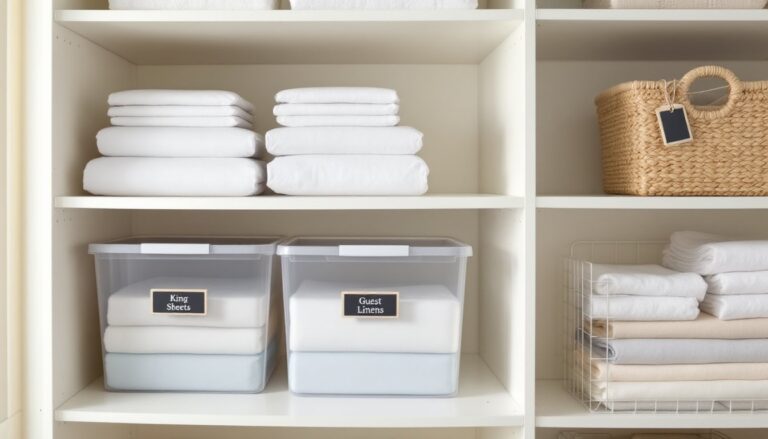
For rental properties or homes with limited closets, a storage bed reduces the need for bulky furniture. It’s also a practical choice for guest rooms, where storing extra blankets and pillows in the bed frame itself keeps the space tidy between visitors.
Storage beds typically raise the mattress height by 12 to 18 inches compared to a low-profile platform frame. That extra clearance creates usable volume underneath, anywhere from 15 to 30 cubic feet, depending on frame design. Just be aware that higher mattress positions may require a step stool for shorter users or for changing sheets.
From a resale perspective, built-in storage is a selling point. Buyers appreciate furniture that multitasks, especially in urban markets where square footage is expensive. If someone is building a frame from scratch, integrating storage costs less in materials than buying a separate dresser later.
Types of Storage Options for King Bed Frames
Storage beds fall into two main categories: drawer-based and lift-up. Each has trade-offs in accessibility, weight capacity, and ease of installation.
Drawer Storage Beds
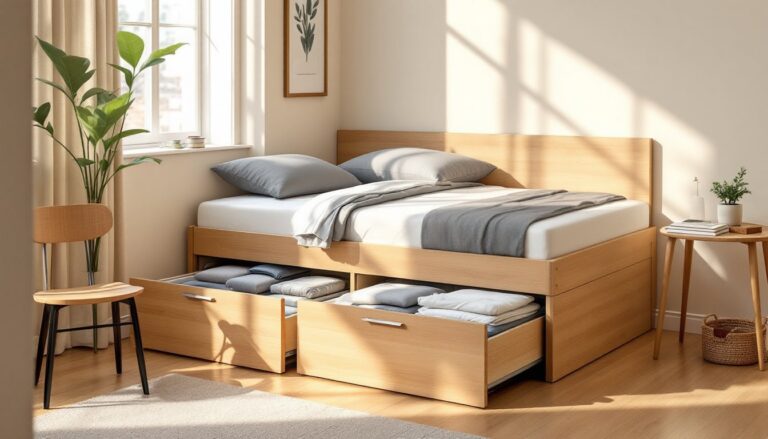
Drawer storage beds feature pull-out compartments along one or both sides of the frame. Typical configurations include:
• Side drawers: Two to four deep drawers running parallel to the mattress. Common drawer dimensions are 24 to 30 inches wide and 14 to 20 inches deep.
• Footboard drawers: Shallower compartments at the foot of the bed, usually 6 to 8 inches deep.
Drawers work well for frequently accessed items, pajamas, workout clothes, or bedding. They’re easier to organize with dividers or bins compared to open lift storage. But, drawers require clearance space to pull out fully. Plan for at least 36 inches of floor space on the side where drawers open. That’s a dealbreaker in tight rooms where the bed sits against a wall.
Ball-bearing or soft-close drawer slides are worth the upgrade. They handle heavier loads (think stacks of jeans or shoes) and prevent slamming. For DIYers building from scratch, woodworking guides often detail slide selection and mounting for drawer frames.
One downside: drawer hardware and weight add complexity to a build. A sturdy drawer box requires 3/4-inch plywood or solid wood, plus pocket screws or joinery. Commercially, drawer storage beds often cost $200 to $400 more than simpler platform frames.
Hydraulic Lift Storage Beds
Lift storage beds use gas pistons (also called hydraulic struts) to raise the entire mattress and slats as one unit, revealing a large open cavity underneath. These are sometimes called “ottoman beds” in international markets.
Key advantages:
• Maximum capacity: The entire under-bed area is one big bin, no drawer dividers eating up space. You can fit luggage, bulky comforters, or storage totes.
• Wall-friendly: Since nothing pulls out, a lift bed can sit flush against walls on three sides.
• Clean lines: No visible drawer fronts, so the frame looks like a standard platform bed.
The mechanism uses two to four gas struts rated for the combined weight of the mattress, slats, and any items stored inside. Struts typically handle 100 to 150 pounds per pair. Higher-quality pistons (look for TÜV or CE certification) last longer and operate more smoothly.
Downsides include accessibility: lifting the entire mattress to grab one item is inconvenient if someone accesses storage daily. The mattress also needs to be clear, no one can be sitting or lying on it while opening the storage. Some people find the motion awkward or worry about pinching fingers, though most designs include safety hinges.
Lift beds require a relatively flat, stable floor. Carpet can interfere with leveling, so shimming the frame may be necessary. For DIY builds, pre-made hydraulic lift kits are available from hardware suppliers for around $60 to $120 per pair of struts. Free plans, such as those from Ana White’s classic storage bed design, offer cut lists and assembly steps for home builders.
Key Features to Look for When Buying
Not all storage beds are built the same. Here’s what separates a solid investment from a frame that sags or breaks within a year.
Center support beam: King mattresses are heavy, a memory foam king weighs 90 to 120 pounds, and an innerspring can hit 150 pounds. Add two adults, and you’re looking at 500+ pounds on the frame. A proper king storage bed includes a center rail or leg running lengthwise to prevent the slats from bowing. Look for frames with at least one center leg and preferably a full center beam.
Slat spacing: Mattress warranties often require slat gaps no wider than 3 inches. Anything more can void the warranty and cause sagging. Count the slats before buying or building, 12 to 14 slats is typical for a king. If building, use 1×4 or 1×6 boards (actual dimensions 0.75 x 3.5 inches or 0.75 x 5.5 inches) for adequate support.
Headboard attachment: Some storage beds have integrated headboards, while others offer bolt-on options. Integrated designs are sturdier but limit style changes later. Bolt-on headboards attach via standard bed frame brackets, which fit most aftermarket headboards with pre-drilled holes spaced 15 to 20 inches apart.
Weight capacity: Manufacturers should specify a static weight limit for the entire frame, typically 800 to 1,200 pounds for king storage beds. Cheaper frames with thin particleboard or MDF panels may max out at 500 pounds, which doesn’t leave much margin once you add storage contents.
Ventilation: Solid platform bases can trap moisture against the mattress bottom, leading to mold in humid climates. Look for slatted platforms or frames with ventilation gaps. If building a solid panel base, drill 1-inch vent holes every 12 inches to allow airflow.
Material and Construction Quality
Frame material affects longevity, weight, and ease of assembly. Common options:
• Solid wood (pine, oak, maple): Durable and repairable. Expect to pay $600 to $1,500 for a well-built wood storage bed. Pine is softer and dents easily but costs less. Oak and maple hold up better to daily wear.
• Plywood and engineered wood: More affordable ($300 to $700) and stable (won’t warp like solid wood). Use 3/4-inch Baltic birch or cabinet-grade plywood for any load-bearing components. Avoid thin particleboard, it strips screws and sags under load.
• Metal frames: Steel or aluminum frames are strong and lightweight but less common for storage beds. They’re often used in industrial or minimalist designs. Welded joints are stronger than bolted.
Joinery matters. Pocket screws are fast and strong for DIY builds. Mortise-and-tenon or dowel joints offer superior strength in commercial frames but require advanced tools. Avoid frames held together solely by cam locks (those twist-in fasteners from flat-pack furniture), they loosen over time.
Finish quality protects the wood and affects appearance. For painted frames, look for primer plus two coats of satin or semi-gloss latex. For stained frames, apply polyurethane or hard wax oil to resist scratches. If finishing a DIY frame, sand to 180 grit before applying any finish, and allow full cure time (usually 72 hours) before placing the mattress.
Safety note: Use proper PPE when cutting or sanding, safety glasses, hearing protection, and a dust mask rated N95 or better. Table saws and circular saws can kick back: always use a push stick and keep hands clear of the blade path.
Best Styles to Match Your Bedroom Decor
Storage beds come in styles from traditional to modern. The headboard and finish are the biggest visual drivers.
Platform modern: Low-profile frames with clean lines and minimal hardware. Often feature flat-panel headboards and espresso, walnut, or gray finishes. Pair well with contemporary or Scandinavian interiors. These frames typically sit 10 to 12 inches off the floor, so under bed storage bins may not fit underneath unless the frame is specifically designed for it.
Farmhouse/rustic: Frames built from knotty pine or reclaimed wood, often with visible grain and distressed finishes. Headboards may include shiplap panels or X-bracing. These suit country, cottage, or transitional bedrooms. Drawer fronts often have inset or overlay panels for a furniture-style look.
Upholstered: Fabric or faux-leather headboards with button tufting or channel stitching. Storage compartments are hidden beneath the upholstered platform. These soften the room acoustically and visually but require occasional cleaning, vacuum upholstery every few months and spot-clean spills immediately.
Industrial: Metal frames with wood accents, exposed fasteners, and utilitarian finishes. Drawer fronts might be blackened steel or aged iron. These work in lofts or urban bedrooms. Keep in mind metal can be noisy, add felt pads or rubber bumpers where metal meets wood.
Traditional: Sleigh beds, panel headboards, or frames with carved molding and turned posts. Storage drawers blend into the base design. Often finished in cherry, mahogany, or painted white. These suit formal or classic bedrooms but can feel heavy in smaller spaces.
Color and finish should complement existing furniture. If the nightstands and dresser are medium oak, a king storage bed in the same tone creates cohesion. Contrasting finishes (like a white bed with dark wood furniture) can work but require careful balance, tie them together with bedding, rugs, or wall color.
Hardware choices matter too. Brushed nickel or matte black pulls suit modern styles, while oil-rubbed bronze or antique brass fits traditional rooms. If building, buy pulls before drilling holes, center-to-center spacing varies, and re-drilling looks sloppy.
For DIYers looking to tackle similar projects, beginner-friendly tutorials cover tool selection and technique basics that apply to bed frame builds.
Consider ceiling height when choosing a headboard. Tall 60 to 72-inch upholstered headboards look dramatic in rooms with 9-foot ceilings but overpower spaces with standard 8-foot ceilings. A good rule: headboards should end 36 to 48 inches above the mattress top for visual balance.