A bedroom storage chest solves one of the most common problems in any home: where to stash the extra blankets, off-season clothes, and all those items that don’t quite fit in the closet. Unlike a standard dresser, a storage chest sits at the foot of the bed or along a wall, offering accessible bulk storage without eating up precious floor space. It’s practical furniture that doubles as a design statement, whether it’s a vintage hope chest handed down through generations or a modern upholstered bench with hidden compartments. This guide walks through everything needed to choose, place, and make the most of a bedroom storage trunk, from traditional wood designs to contemporary ottoman-style pieces.
Table of Contents
ToggleKey Takeaways
- A bedroom storage chest provides 10–20 cubic feet of dedicated bulk storage for seasonal items, extra bedding, and off-season clothes without consuming vertical space or blocking sightlines.
- Choose between traditional wooden hope chests (18–24 inches deep, cedar-lined) for timeless appeal or modern upholstered benches that double as seating for contemporary bedrooms.
- Proper sizing and placement—leaving 24–30 inches of walking clearance and keeping chests under 22 inches tall in standard 8-foot ceilings—ensures your storage chest balances function with bedroom proportions.
- Select materials based on durability and style: solid hardwoods offer longevity, plywood provides stability at lower cost, and upholstered pieces work well with performance fabrics that resist staining and pilling.
- Maximize your storage chest by rotating seasonal items, organizing with cedar blocks or removable trays, and storing only actively used goods to keep your bedroom clutter-free and functional.
Why Every Bedroom Needs a Storage Chest
Bedrooms accumulate stuff fast. Extra bedding, seasonal clothing, shoes, hobby supplies, all competing for limited closet and dresser space. A storage chest for bedroom use provides dedicated bulk storage that keeps these items accessible but out of sight.
Unlike vertical storage like armoires or wooden storage cabinets, a chest sits low and horizontal, making it ideal for the foot of a bed or under a window. It won’t block sightlines or overwhelm a room visually. Many designs also serve double duty as seating, handy when putting on shoes or folding laundry.
From a functional standpoint, chests handle items that don’t need frequent access. Think guest linens, winter comforters in July, or keepsake quilts. They’re also easier to move than built-ins if you rearrange furniture or relocate. A well-chosen chest can hold 10–20 cubic feet of storage depending on size, roughly equivalent to two large suitcases’ worth of gear.
Aesthetically, a bedroom storage chest anchors a room. Placed at the foot of the bed, it balances the visual weight of tall headboards and side tables. It’s a piece that invites texture and color, upholstered, painted, stained, or left raw, making it a flexible accent in any decor scheme.
Types of Bedroom Storage Chests to Consider
Traditional Blanket Chests and Hope Chests
Traditional blanket chests are simple rectangular boxes, typically crafted from solid wood with a hinged lid. Historically, these were called hope chests, young women filled them with linens and household goods before marriage. Today, they’re prized for their straightforward construction and timeless look.
Most blanket chests measure 18–24 inches deep, 36–48 inches wide, and 18–22 inches tall. They’re built from 3/4-inch plywood or solid hardwoods like oak, cedar, or pine. Cedar-lined interiors are a classic feature: the aromatic wood naturally repels moths and adds a pleasant scent. If building one yourself, Ana White offers free plans with cut lists and step-by-step photo guides suitable for intermediate woodworkers.
Look for soft-close hinges or lid stays that prevent the top from slamming shut, especially important if kids are around. Some designs include a safety hinge that holds the lid open at any angle, reducing finger-pinch risk. Traditional chests often sit directly on the floor or on a simple plinth base. They’re heavy and stable, ideal for holding bulky items like comforters and pillows.
Modern Storage Benches and Ottoman Chests
Modern storage benches blend seating and storage in one compact footprint. These pieces feature upholstered tops, either hinged or removable, over an open cavity. Common dimensions run 16–20 inches tall (seat height), 40–60 inches wide, and 16–18 inches deep.
Upholstery choices range from linen and velvet to leather or performance fabrics. Tufted tops add visual interest and a touch of elegance, while smooth surfaces suit minimalist rooms. Frame construction typically uses 1×3 or 1×4 pine or poplar with a 1/2-inch plywood base. Upholstery is stapled or tacked to a 3/4-inch MDF lid, then padded with 2-inch foam for comfort.
Ottoman-style chests take this concept further with fully upholstered exteriors and no visible wood. They’re lighter and easier to move but may sacrifice some load capacity. Many include interior dividers or removable trays for organizing smaller items like scarves, belts, or charging cables. Weight capacity for seating varies, check that the frame can support at least 250 pounds if it will be sat on regularly.
Both styles work well in contemporary or transitional bedrooms. They’re also popular for creating convenient storage in studio apartments or guest rooms where every piece needs to earn its keep.
Choosing the Right Size and Placement for Your Space
Measure before buying or building. A storage trunk for bedroom placement should leave at least 24–30 inches of clearance for walking around the bed. If placing at the foot of the bed, measure the mattress width and subtract 6–12 inches to avoid a cramped look. For a queen bed (60 inches wide), a 48-inch chest provides symmetry without overwhelming the space.
Depth matters, too. Standard chests run 18–24 inches deep. Deeper units hold more but can make a room feel crowded, especially in tight quarters. If space is at a premium, consider a shallower 16-inch depth and compensate with added width.
Ceiling height influences visual proportion. In rooms with 8-foot ceilings, keep the chest under 22 inches tall to maintain open sightlines. Rooms with 9-foot or taller ceilings can handle taller pieces, up to 28 inches, without feeling top-heavy.
Placement options include:
- Foot of the bed: Classic and functional. Allows easy access when making the bed or grabbing a blanket.
- Under a window: Takes advantage of otherwise unused wall space. Adds a window seat effect if the chest is sturdy enough for sitting.
- Along a side wall: Works well in larger bedrooms. Pair with a table lamp or decorative tray to create a vignette.
Avoid blocking outlets, radiator vents, or door swings. If the chest will sit on carpet, check that the lid can open fully without hitting the bed frame or wall. For hardwood or tile floors, add felt pads to the base to prevent scratching when moving the piece.
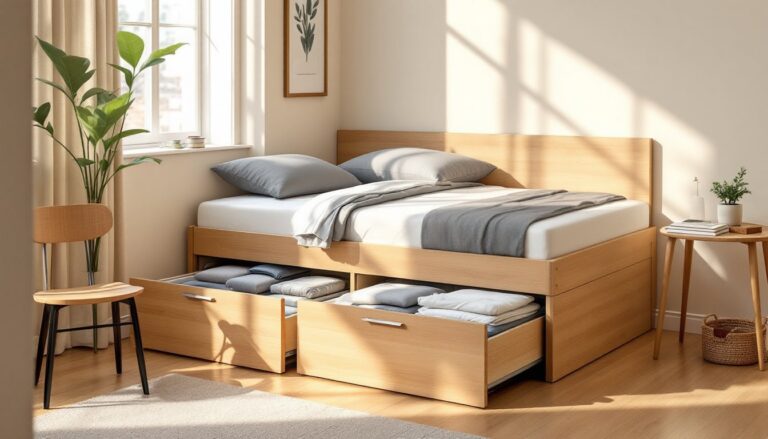
If combining a chest with other storage like under bed storage bins, coordinate placement to avoid redundancy. Use the chest for bulky, seasonal items and under-bed space for smaller, more frequently accessed gear.
Materials and Styles That Match Your Bedroom Decor
Material choice drives both aesthetics and durability. Solid hardwoods, oak, maple, walnut, offer longevity and can be stained or painted. Expect to pay more: a solid oak chest might run $300–$800 depending on size and finish. Softer woods like pine or cedar are budget-friendly and easier to work with if building from scratch, but they dent more easily.
Plywood construction (cabinet-grade birch or maple ply) provides stability at lower cost. A well-built plywood chest with dovetail or pocket-screw joinery can last decades. Avoid particleboard or MDF cores in high-use furniture, they don’t handle weight or moisture well.
For upholstered pieces, frame material still matters. Look for kiln-dried hardwood frames joined with screws and glue, not staples alone. Upholstery fabric should be durable, performance linen or tight-weave cotton resist pilling and staining better than loose-weave materials.
Style considerations:
- Rustic/Farmhouse: Distressed pine or reclaimed wood with visible grain. Iron hardware, plank-style construction. Pairs well with shiplap walls and neutral bedding.
- Mid-Century Modern: Walnut or teak with tapered legs (if elevated). Clean lines, minimal ornamentation. Often features contrasting drawer pulls or inset handles.
- Traditional: Cherry or mahogany with carved details, brass hardware, and a polished finish. Heavier, formal look suited to classic bedroom sets.
- Coastal/Cottage: Painted finishes in white, seafoam, or soft blue. Wicker or rattan accents. Lighter visual weight, often paired with beadboard or nautical textiles.
- Industrial: Metal frame with wood or leather accents. Exposed rivets, matte black or gunmetal finishes. Works in lofts or modern masculine bedrooms.
Finish quality affects maintenance. Polyurethane or lacquer topcoats protect wood from scratches and moisture. Oil-rubbed finishes offer a hand-crafted look but require periodic re-oiling. Painted pieces should use primer and at least two coats of semi-gloss or satin paint for durability, chalk paint alone won’t hold up to daily use without a sealer.
If building a custom chest, Fix This Build That has detailed plans with cut lists and finishing tips for various styles. Sand to 220 grit before applying finish, and let each coat cure fully (usually 24 hours) before use.
Creative Ways to Use Your Bedroom Storage Chest
A bedroom storage chest isn’t just a blanket box. With a little creativity, it becomes a multifunctional workhorse.
Bedding and Linens
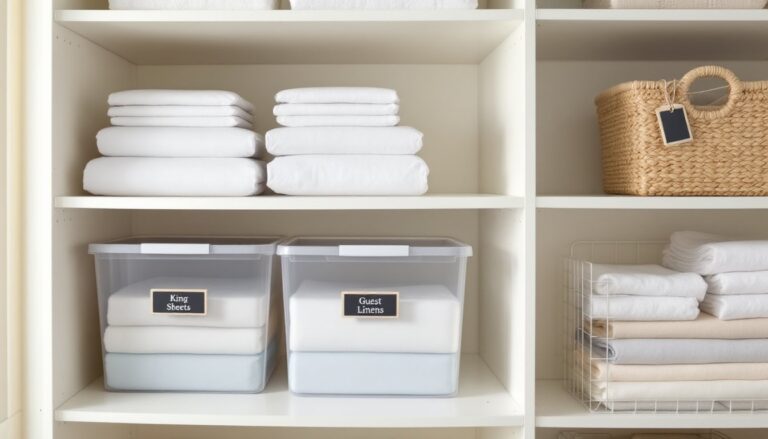
This is the classic use. Store extra sheet sets, seasonal comforters, and throw pillows. Roll linens instead of folding to minimize wrinkles and maximize space. Add cedar blocks or lavender sachets to keep contents fresh.
Clothing Overflow
Off-season wardrobes fit neatly in a chest. Winter sweaters in summer, swimwear in winter. Vacuum-seal bags compress bulky items like down jackets, freeing up even more room. This approach pairs well with other indoor storage solutions to keep closets streamlined year-round.
Toy and Game Storage
In kids’ rooms, a low chest keeps toys accessible and encourages cleanup. Choose one with a slow-close hinge to prevent slammed fingers. Label the contents or add a chalkboard panel to the front for easy identification.
Media and Electronics
Store gaming consoles, controllers, chargers, and cables in a chest near the TV. Cable management clips keep cords tidy. This works especially well for guest rooms where electronics are used occasionally.
Hobby and Craft Supplies
Yarn, fabric, scrapbooking materials, or art supplies stay organized and dust-free. Add removable trays or small bins inside to separate items by type. A chest with a padded lid doubles as a seat while working on projects.
Workout Gear
Yoga mats, resistance bands, dumbbells, and foam rollers fit neatly in a larger chest. Keeps equipment out of sight but readily accessible for home workouts. Ventilate periodically to prevent moisture buildup.
Keepsakes and Memorabilia
Photo albums, letters, heirlooms, and sentimental items deserve proper storage. A cedar-lined chest offers natural pest protection and a classic look. For added security, add a hasp and padlock if storing valuables.
Pet Supplies
Leashes, grooming tools, toys, and treats stay corralled in one spot. Place a washable mat or liner inside to catch dirt and fur. This is particularly useful in mudrooms or bedrooms where pets sleep.
For step-by-step guidance on organizing and maximizing bedroom storage, Family Handyman offers practical tutorials on everything from building custom inserts to refinishing vintage chests.
Remember: whatever goes in the chest should be used at least seasonally. Items stored and forgotten for years probably belong in long-term storage elsewhere, attic, basement, or donation pile. A bedroom storage chest works best when it’s part of an active rotation, not a graveyard for clutter.