Living space comes at a premium, especially in urban apartments and smaller homes. A hydraulic lift storage bed offers one of the most efficient ways to reclaim square footage without sacrificing comfort or style. Unlike drawer-based storage or bins that slide awkwardly under a frame, these beds use gas pistons or hydraulic mechanisms to lift the entire mattress platform, revealing a massive storage cavity beneath. The concept isn’t new, but recent engineering improvements have made these systems more reliable, quieter, and easier to operate than ever before.
Table of Contents
ToggleKey Takeaways
- A hydraulic lift storage bed reclaims 20 to 30 cubic feet of concealed storage space without consuming additional floor area, making it ideal for small apartments and urban homes.
- Gas struts rated for 10,000+ cycles provide reliable lift capability; invest in quality pistons and check that replacement struts are easily accessible to avoid long-term durability issues.
- Hydraulic lift storage beds offer superior ergonomics over traditional under-bed bins by lifting the platform to waist height, eliminating the need to crouch or lie on the floor when accessing stored items.
- Proper assembly takes 2 to 4 hours with two people and requires basic tools; annual lubrication of struts and semi-annual hardware checks ensure smooth operation and extend the bed’s lifespan.
- These beds suit any room layout—studio apartments, kids’ rooms, guest spaces, or rentals—as long as you provide 3 feet of clearance at the foot or side and ensure ceiling height exceeds 8 feet for comfortable access.
What Is a Hydraulic Lift Storage Bed and How Does It Work?
A hydraulic lift storage bed uses gas struts or hydraulic pistons mounted to the bed frame to lift the mattress platform upward, typically at a 45- to 90-degree angle. The mechanism is similar to what you’d find on a car hatchback or overhead cabinet door. When you pull the platform up, the pistons provide counterbalance, making it easy to raise even a queen- or king-size mattress with one hand.
Most systems use nitrogen-filled gas struts rated between 80 and 150 pounds of lift force per strut, depending on mattress size and weight. The struts attach to the frame’s base and connect to the underside of the platform with mounting brackets. When closed, the mattress sits flat like a traditional bed. When opened, the entire storage cavity, often 15 to 20 inches deep, becomes accessible from the foot or side of the bed.
The platform typically sits on a plywood or slatted base, and the perimeter frame holds the mattress in place during lifting. There’s no need for electricity or manual cranking. Gravity and the pistons do the work, and a gentle push closes it back down. Some higher-end models include soft-close dampeners to prevent the platform from slamming shut.
Why Choose a Hydraulic Lift Storage Bed Over Traditional Storage Options?
Traditional under bed storage relies on bins, rolling drawers, or lift-top chests, all of which eat into usable floor space or require awkward kneeling and reaching. A hydraulic lift bed, by contrast, uses the entire footprint beneath the mattress, typically 20 to 30 cubic feet of space for a queen-size bed, without adding a single inch to the room’s layout.
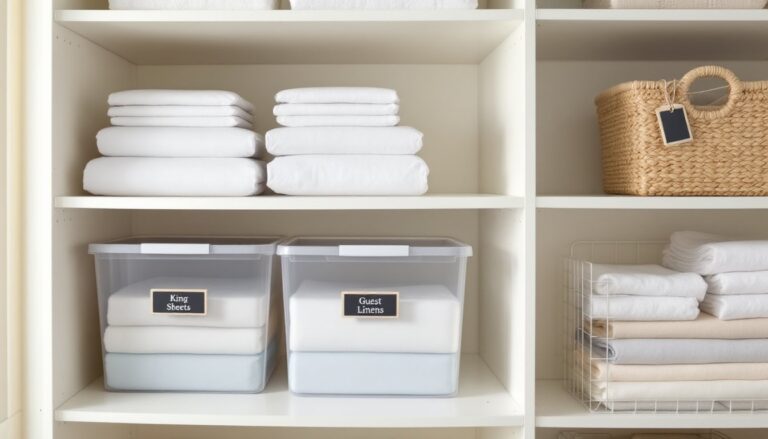
Compare that to a dresser, which might offer 12 cubic feet of storage but occupies 15 square feet of floor space. The bed’s storage is also concealed, eliminating visual clutter. It’s ideal for storing seasonal clothing, extra bedding, luggage, or even bulky items like camping gear and holiday decorations.
Another advantage: accessibility. Rolling bins under a low-clearance bed frame require you to crouch or lie on the floor. Hydraulic beds lift the platform to waist height, making it easy to load and unload heavy items. For anyone with mobility concerns or back issues, this is a significant ergonomic improvement.
Finally, these beds don’t require dedicated wall space. A dresser or wardrobe needs clearance around it: a lift bed only needs enough room to open the platform, usually 2 to 3 feet at the foot or side of the bed.
Key Features to Look for When Shopping for a Hydraulic Lift Storage Bed
Not all hydraulic beds are built the same. Here’s what separates a solid investment from a wobbly disappointment.
Frame Material: Look for solid wood (pine, oak, or rubberwood) or engineered wood with reinforced corners. Avoid particleboard frames, they don’t hold up under repeated lifting cycles. Metal frames are durable but less common in the lift bed category.
Piston Quality: Gas struts rated for 10,000+ cycles are standard in mid-range models. Cheaper pistons may lose pressure within a year, causing the platform to drop unexpectedly. Check if replacement struts are available and easy to swap out.
Weight Capacity: Platforms should support at least 600 pounds (mattress plus stored items). King-size beds need higher capacity, often 800 to 1,000 pounds. The manufacturer should specify both the mattress weight limit and the storage cavity’s load rating.
Mattress Retention: The platform should have a retention lip or strap system to keep the mattress from sliding when raised. Some designs use Velcro strips or elastic bands along the platform edges.
Storage Depth: Measure from the platform base to the floor. Most beds offer 12 to 20 inches of clearance. Deeper isn’t always better, if you’re storing flat items like out-of-season clothes, 12 inches is plenty. Bulky gear requires 18+ inches.
Lift Direction: Beds lift from the foot or side. Foot-lift models are more common and work well against a wall. Side-lift designs suit corner placements or rooms with limited foot clearance.
Soft-Close Mechanism: This feature prevents the platform from slamming down. It’s a nice-to-have, not a must-have, but it does reduce wear on the frame and pistons.
Installation and Assembly: What to Expect
Most hydraulic lift beds ship in flat-pack boxes and require 2 to 4 hours of assembly for two people. Budget more time if you’re working solo, though it’s doable.
You’ll need a cordless drill or impact driver, a rubber mallet, an adjustable wrench, and a tape measure. Some kits include an Allen key set: others require your own metric hex keys.
Start by assembling the perimeter frame. Align the side rails and headboard/footboard, then secure them with bolt-and-barrel nut or cam lock fasteners. These frames are heavy, expect each rail to weigh 30 to 50 pounds.
Next, attach the gas struts to the frame’s mounting brackets. The pistons are pre-pressurized, so keep your fingers clear of pinch points. Most systems use M8 or M10 bolts with lock washers. Don’t overtighten, you’ll strip the threads in the wood.
Once the struts are mounted, attach the platform base. This is usually a plywood panel or slatted deck that sits on support beams. The platform connects to the struts via clevis pins or hinge brackets. Test the lift mechanism before loading the mattress, if the platform doesn’t rise smoothly, check that the struts are evenly tensioned and the hinges aren’t binding.
Safety note: Wear safety glasses during assembly. Gas struts can release suddenly if a mounting pin slips, and the platform edges are often sharp.
Some beds require anchoring to the wall, especially taller models or those with deep storage cavities. Check the instructions for L-brackets or anti-tip straps. This isn’t always code-required, but it’s smart if you have kids or pets.
Maintenance Tips to Keep Your Hydraulic Lift Bed Running Smoothly
Hydraulic beds are low-maintenance, but a little attention goes a long way.
Lubricate the struts annually. Wipe down the piston rods with a rag, then apply a thin coat of silicone spray or lithium grease. Avoid WD-40, it’s a solvent, not a long-term lubricant. This keeps the seals from drying out and prevents rust.
Check mounting hardware every six months. Wood frames can compress over time, loosening bolts. Retighten any fasteners on the struts and platform hinges. Use a torque-limiting screwdriver if you’re working with particleboard to avoid over-tightening.
Inspect the gas struts for leaks. If the platform starts dropping slowly or won’t stay up, a strut may have lost pressure. Replacement struts are available online, search by the length and Newton rating stamped on the piston. Swapping them out takes 10 minutes with a wrench.
Avoid overloading the storage cavity. Stay within the manufacturer’s weight limit. Excess weight shortens the life of the struts and can crack the platform base.
Clean the storage area. Dust and debris can accumulate under the platform. Vacuum it out every few months, especially if you’re storing fabric items that attract lint.
For DIY enthusiasts looking to build custom storage solutions, platforms like Instructables offer step-by-step guides for integrating lift mechanisms into existing bed frames.
Best Room Types and Layouts for Hydraulic Lift Storage Beds
Hydraulic beds shine in small bedrooms, studio apartments, and guest rooms where closet space is limited. They’re also popular in kids’ rooms and college dorms, where toys, sports equipment, and off-season clothes need to disappear.
For primary bedrooms, a lift bed works well if you’re short on dresser space or want to eliminate bulky furniture. Pair it with a floating nightstand or wall-mounted shelves to keep the floor clear.
Layout considerations: If the bed lifts from the foot, leave at least 3 feet of clearance between the footboard and any furniture or walls. Side-lift models need the same clearance along the side. Measure twice before you commit, tight clearances make it hard to open the platform fully.
Ceiling height matters. When fully raised, the platform sits 4 to 5 feet above the floor. Low ceilings (under 8 feet) can make access awkward. If you have a sloped ceiling or attic bedroom, a foot-lift model works better than a side-lift.
These beds also suit rental properties and tiny homes, where permanent built-ins aren’t an option. They’re freestanding, so you can take them with you when you move.
For homeowners planning larger renovation projects, resources like The Handyman’s Daughter offer practical guides on bedroom remodeling and space optimization. Similarly, Fix This Build That provides tutorials on building custom furniture that integrates storage solutions.
Conclusion
A hydraulic lift storage bed delivers serious functionality without compromising floor space or design. It’s a straightforward upgrade that solves real storage problems, especially in homes where every square foot counts. With proper assembly and basic maintenance, these beds hold up for years and offer a cleaner, more accessible alternative to traditional under-bed bins or bulky dressers.