Greenmade storage bins have earned a reputation among DIYers and homeowners for one simple reason: they don’t crack under pressure, literally. Unlike flimsy retail bins that split when you stack them or brittle containers that shatter in cold garages, Greenmade totes are built with commercial-grade recycled resin that holds up to real-world abuse. Whether someone’s organizing a basement workshop, consolidating holiday decorations, or creating a functional mudroom system, these bins deliver the durability needed for long-term storage solutions. This guide walks through what sets Greenmade apart, how to match bin types to specific spaces, and practical strategies for organizing a home efficiently.
Table of Contents
ToggleKey Takeaways
- Greenmade storage bins are built with commercial-grade recycled resin and double-wall construction, making them durable enough to withstand stacking, temperature swings from -20°F to 120°F, and loads up to 100 pounds without cracking or warping.
- Choose the right bin size by measuring storage space, calculating weight requirements (keep filled bins under 50 pounds for safe lifting), and assessing access frequency—heavy-duty 27 and 42-gallon totes work best for garages and basements, while smaller 12 and 18-gallon stackable bins fit closets and living spaces better.
- Implement an effective labeling system by marking all four sides of each bin with contents and storage dates, and use color-coding or numbering for family members and archive tracking to prevent digging through multiple containers.
- Organize with a frequency-based zone system: daily items remain accessible at waist height, monthly-use items stack two bins high on shelving, and seasonal decorations stored on higher shelves away from prime storage real estate.
- Stack Greenmade bins safely by placing heavier containers on the bottom, limiting stacks to four bins high on level surfaces, and installing heavy-duty wall-mounted shelving rated for 250+ pounds to support multiple loaded bins securely.
- Maintain bins annually by washing exteriors with a garden hose and mild detergent to remove dust and oil, extending their lifespan while keeping storage areas clean and organized long-term.
What Are Greenmade Storage Bins and Why They Stand Out
Greenmade manufactures storage containers from 100% recycled plastic resin, primarily post-consumer materials like recycled milk jugs and detergent bottles. This construction method produces bins with walls thick enough to resist warping and impact damage that would destroy typical polypropylene containers.
The key differentiator is wall thickness and reinforcement. Most Greenmade bins feature double-wall construction with ribbed sidewalls and reinforced corners. Standard big-box store bins typically use injection-molded polypropylene around 2-3mm thick: Greenmade’s heavy-duty models run 5-6mm in high-stress areas. That extra material matters when stacking four bins high in a garage or loading one with 50 pounds of tools.
Load capacity separates these from competitors. The 27-gallon heavy-duty tote handles up to 100 pounds when properly supported, while standard bins max out around 40-50 pounds before handles stress or lids bow. Independent testing shows Greenmade bins withstand temperature swings from -20°F to 120°F without cracking, critical for unheated garages or attics.
The company manufactures bins in the United States, which matters for lead times and consistency. Overseas containers often arrive with mold variations that affect how lids seal or bins stack. Greenmade maintains tighter tolerances, so bins from different production runs nest and stack reliably.
Most models use a snap-lid design with four locking points rather than friction-fit covers. This keeps out dust and moisture better than open-top bins, though they’re not airtight or waterproof. For truly sealed storage, add weatherstripping tape to the lid rim, a simple modification that works well for long-term garage storage.
Types of Greenmade Storage Bins for Different Home Needs
Greenmade produces distinct product lines optimized for different storage scenarios. Matching the right bin type to the space and contents prevents frustration and failed organization systems.
Heavy-Duty Totes for Garages and Basements
27-gallon and 42-gallon heavy-duty totes are the workhorses of the Greenmade lineup. These measure approximately 30″ × 16″ × 15″ (27-gal) and 36″ × 18″ × 16″ (42-gal), with actual dimensions varying slightly by model. Both feature reinforced handles molded into the bin body rather than rope or wire handles that tear out under load.
These bins excel for storing:
• Power tools and cordless tool kits that need protection from humidity
• Seasonal decorations with fragile items wrapped in packing paper
• Automotive supplies like oils, cleaners, and detailing equipment (keep lids sealed tight)
• Workshop hardware sorted into smaller containers nested inside
The snap-lid design keeps out concrete dust in basements and garage grit better than open bins. Lids support stacking weight without sagging, though it’s smart to keep the heaviest bins on bottom and lighter seasonal items up top.
One practical consideration: these bins don’t fit standard 16″-deep garage shelving units. They overhang by a few inches. Either use 18″-deep industrial wire shelving rated for the weight, or place bins directly on concrete with plywood between layers to distribute weight and allow airflow.
Designers frequently recommend organizing craft supplies with similar storage principles, heavy items low, frequent-access items at eye level, and off-season materials stored higher.
Stackable Bins for Closets and Living Spaces
The 12-gallon and 18-gallon stackable bins trade some durability for a cleaner aesthetic and better space efficiency indoors. These measure roughly 18″ × 12″ × 10″ (12-gal) and 22″ × 14″ × 12″ (18-gal), fitting standard closet shelving depths.
These bins work well for:
• Kids’ toy rotation systems in playrooms or bedrooms
• Pantry overflow for bulk purchases from warehouse stores
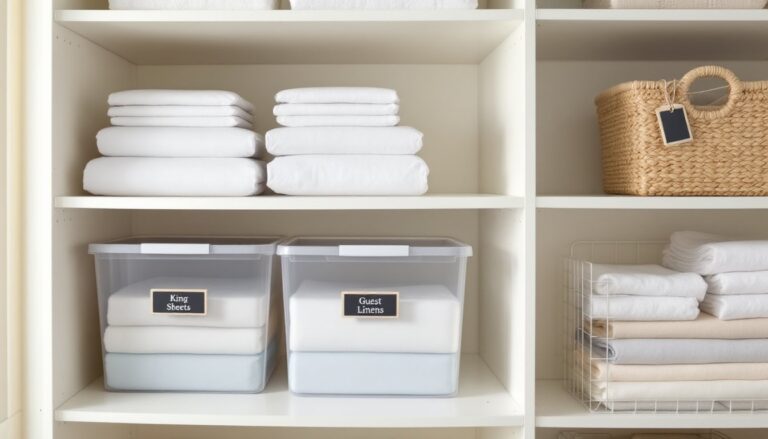
• Linen closet organization for seasonal bedding and towels
• Mudroom gear sorted by family member or activity
The smaller footprint allows for side-by-side placement on wire shelving without overhanging. Lids still snap securely, but walls are slightly thinner than heavy-duty models, adequate for 30-40 pounds but not ideal for dense loads like books or hardware.
Transparent bins in this size range let users identify contents without opening lids, though Greenmade’s standard green color requires labeling. Use a label maker or paint marker directly on the lid rather than adhesive labels that peel off in temperature swings.
How to Choose the Right Greenmade Bin for Your Space
Selecting bins requires measuring available space and honestly assessing weight requirements. Here’s a decision framework that prevents buying the wrong size or capacity.
Step 1: Measure the storage footprint. Note not just shelf width but also depth and vertical clearance. A 42-gallon bin measures 36″ long, if garage shelving is only 32″ wide, that bin won’t work. Allow 2″ of clearance on all sides for comfortable access and air circulation in damp spaces.
Step 2: Calculate weight per bin. Most DIYers underestimate how heavy packed bins become. A 27-gallon bin filled with books hits 80-100 pounds: one loaded with holiday decorations might weigh 30-40 pounds. If someone struggles to lift 50 pounds comfortably, bins should stay below that threshold when full. Split heavy items across multiple smaller bins rather than maxing out one large container.
Step 3: Consider access frequency. Items used monthly should go in bins with easy-open lids at waist height. Seasonal decorations accessed twice a year can stack higher. Front-access bins work better than top-loading for frequently rotated supplies.
Step 4: Factor in stacking needs. Greenmade bins stack stably up to four high on level surfaces with proper weight distribution. On wire shelving, limit stacking to two bins to prevent shelf bowing. Always place heavier bins on the bottom of stacks, a 60-pound bin on top of a 30-pound bin stresses the lower container’s lid and walls unnecessarily.
Step 5: Account for environmental conditions. Unheated spaces need bins rated for temperature extremes. Damp basements benefit from the snap-lid design’s better dust and moisture protection. For truly wet conditions like under outdoor decks, add silica gel packets inside bins to absorb humidity, though these bins aren’t waterproof sealed storage.
Many homeowners following decluttering advice find that standardizing on one or two bin sizes simplifies future organizing projects and allows flexible reconfiguration as needs change.
Best Ways to Organize Your Home with Greenmade Storage Bins
Effective organization requires more than just buying bins. These strategies help homeowners create systems that actually get used long-term.
Zone storage by frequency of use. Create three tiers: daily-use items stay out of bins entirely: monthly-access items go in easily reached bins: seasonal or archive items stack high or store deep. Don’t waste prime real estate on Christmas decorations in July.
Use a consistent labeling system. Label all four sides of each bin, not just the front. In stacked configurations, only the exposed end might be visible. Include contents and date stored, knowing when holiday decorations went in helps identify forgotten items during annual purges. Paint markers or industrial label makers withstand temperature changes better than printable adhesive labels.
Carry out color-coding for families. Assign each family member a bin color or label color for seasonal gear, sports equipment, or personal storage. This system works especially well in mudrooms and shared garage spaces where multiple people access bins regularly.
Maximize vertical space with proper shelving. Install heavy-duty wire shelving rated for 250 pounds per shelf when storing multiple loaded bins. Big-box stores sell adjustable wire systems: industrial options from commercial suppliers offer better weight capacity. Mount shelving to wall studs with 3″ lag screws, not just drywall anchors, especially when storing heavy tool bins.
Create an inventory system for archive storage. For bins accessed rarely, tax documents, old photos, memorabilia, maintain a simple spreadsheet listing bin numbers and contents. This prevents digging through five bins to find one item. Number bins with permanent marker on all sides.
Rotate seasonal items systematically. During seasonal transitions, swap active and stored bins rather than digging through packed closets. Spring gear moves to accessible locations while winter equipment goes to high shelves. This rotation naturally prompts evaluation of what to keep, donate, or discard.
Group items by project, not just category. Rather than storing all painting supplies together, create bins for complete projects: one with rollers, brushes, and primer for interior touch-ups: another with exterior paint and caulk. This approach reduces setup time when tackling specific tasks.
Professional organizers featured in publications like Martha Stewart emphasize that storage systems succeed only when they match the user’s actual habits, not idealized behaviors. Design systems around how the household actually functions, not how it theoretically should operate.
Maintenance tip: Clean bins annually when rotating seasonal items. Use a garden hose and mild detergent to wash exteriors, especially in garages where oil and dust accumulate. This extends bin life and keeps storage areas looking maintained rather than neglected.
Conclusion
Greenmade storage bins solve real organizational challenges with durable construction that withstands years of garage, basement, and closet use. The investment pays off through reliability, these bins won’t fail halfway through a seasonal changeover or crack under normal stacking loads. Match bin size to actual weight requirements, measure spaces before buying, and create labeling systems that the whole household can maintain. With proper selection and implementation, these organizers help homeowners reclaim cluttered spaces and maintain functional storage systems long-term.