A full size trundle bed with storage isn’t just furniture, it’s a problem solver for tight spaces, guest rooms, and kids’ bedrooms where every square foot counts. These beds hide a second sleeping surface underneath the main mattress, plus drawers or cubbies for linens, toys, or off-season clothes. If you’re weighing bedroom furniture options and need to sleep two people in the footprint of one bed while adding storage capacity, this setup delivers. No need for a separate dresser taking up floor space or a clunky guest bed frame collecting dust in the garage.
Table of Contents
ToggleKey Takeaways
- A full size trundle bed with storage consolidates two sleeping surfaces and 4–6 cubic feet of storage in a single 30-square-foot footprint, saving $200–$300 compared to buying a bed, guest bed, and dresser separately.
- Look for solid wood or metal frames with slat spacing no more than 3 inches apart, ball-bearing drawer slides, and at least 10–12 inches of clearance height to ensure durability and comfortable trundle mattress options.
- Position your full size trundle bed with the pull-out trundle extending toward the room’s interior and measure a 64-inch clear floor width to avoid blocking doorways, closets, or walkways.
- Maximize trundle bed storage potential by using vacuum-seal bags to triple bedding capacity, installing drawer dividers, labeling contents, and rotating seasonal items every 3–6 months to prevent odors and maintain organization.
- Assemble the frame by starting with the headboard and footboard, installing the center support beam fully before adding slats, and testing the trundle roll-out on a firm, level surface—avoiding thick carpets that catch casters.
- Full size trundle beds with storage transition seamlessly across life stages, from kids’ bedrooms to home offices to guest rooms, making them a cost-effective and adaptable furniture choice that holds resale value.
What Is a Full Size Trundle Bed with Storage?
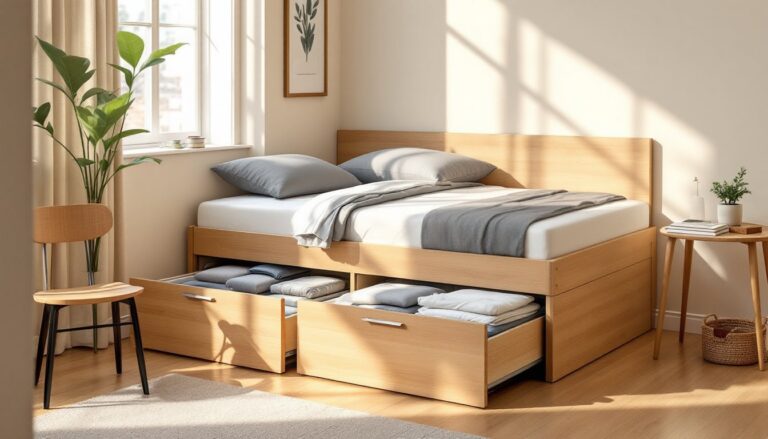
A full size trundle bed combines a standard full mattress (54″ × 75″ sleeping surface) on the main frame with a pull-out trundle that slides underneath on casters or a track system. The storage component adds drawers, open cubbies, or lift-up compartments built into the frame.
The trundle itself typically holds a twin or full mattress, depending on the frame design. When not in use, it tucks completely out of sight beneath the primary bed. Storage compartments flank the trundle or integrate into the headboard and footboard.
Key components include:
- Main bed frame: Supports a full size mattress with side rails and slats or a platform base
- Trundle unit: A rolling or sliding frame that holds a second mattress (usually 6″–8″ high to clear the main frame)
- Storage drawers or cubbies: Built into the side rails, footboard, or headboard: some models offer 2–6 drawers
- Hardware: Casters (wheels), drawer slides, and locking mechanisms to keep everything stable
Some designs separate the trundle and storage into distinct zones, drawers on one side, trundle on the other. Others stack storage above the trundle or use a pop-up trundle that raises to the same height as the main bed for a unified sleeping surface.
Why Choose a Full Size Trundle Bed with Storage?
Space efficiency is the biggest draw. A standard full bed occupies roughly 30 square feet of floor space. Adding a separate twin bed and a three-drawer dresser eats up another 40+ square feet. A trundle bed with storage delivers two sleeping surfaces and 4–6 cubic feet of storage in that same 30-square-foot footprint.
Versatility matters in multi-use rooms. Home offices that double as guest rooms, kids’ bedrooms that host sleepovers, or studio apartments benefit from furniture that adapts. The trundle stays hidden during the day, keeping the room visually open. Pull it out when guests arrive or siblings need separate beds.
Cost savings add up. Buying a bed frame, a guest bed, and a dresser separately runs $800–$1,500 for mid-range furniture. A well-built trundle bed with storage typically costs $600–$1,200, consolidating three pieces into one purchase. You’ll also save on delivery fees and assembly time.
Structural advantages exist over standalone furniture. A trundle bed frame designed with integrated storage uses the same side rails and support structure for both functions, reducing wobble and improving overall stability. The weight of the main mattress helps anchor the frame, so drawers glide smoothly without the unit tipping.
Resale and adaptability are underrated perks. Kids grow up, guests visit less often, and room layouts change. A trundle bed transitions from a child’s room to a teen’s space to a home office guest bed without requiring new furniture. Resale value holds better than mismatched sets because it’s a complete, purpose-built system.
Key Features to Look for When Shopping
Frame material dictates durability and weight capacity. Solid wood (pine, oak, maple) handles 400–600 lbs on the main bed and 250–350 lbs on the trundle. Engineered wood (MDF, particleboard with veneer) drops those limits to 300–400 lbs and 200–250 lbs respectively. Metal frames offer similar weight ratings to solid wood but cost less and resist warping in humid climates.
Slat spacing and support matter for mattress longevity. Look for slats spaced no more than 3 inches apart. Wider gaps cause memory foam and hybrid mattresses to sag between supports, voiding most warranties. A center support beam is non-negotiable for full size frames, without it, the side rails bow under weight.
Drawer construction separates budget models from keepers. Dovetail joints and ball-bearing slides handle repeated use without sticking or cracking. Stapled or glued butt joints fail within a year of regular use. Drawers should extend fully so you can access items at the back without digging. Many designs inspired by woodworking project plans emphasize drawer quality as the weak point in cheaper trundle beds.
Trundle clearance height determines mattress options. Measure the space between the floor and the bottom of the main bed frame. Standard trundles need 10″–12″ clearance for a 6″–8″ mattress plus the frame height (usually 2″–3″). Low-profile frames (8″–10″ total clearance) limit you to 4″–6″ trundle mattresses, which feel firmer and less comfortable for adults.
Safety features are critical for kids’ rooms. Rounded corners, ASTM F1427-19 compliance (bunk and trundle bed safety standard), and guardrails on the main bed prevent injuries. Some jurisdictions require guardrails if the main mattress sits more than 30 inches from the floor, though that’s rare for trundle designs.
Storage Configurations and Design Options
Drawer placement affects room layout. Side drawers require clearance on one or both sides of the bed, at least 24 inches to fully open a standard 18″–20″ deep drawer. Footboard drawers need clear space at the foot of the bed but leave the sides accessible for nightstands. Headboard storage works well for books, charging cables, and alarm clocks but doesn’t replace closet or dresser space.
Open cubbies vs. closed drawers is a trade-off between access speed and dust protection. Cubbies let kids grab toys or grab extra blankets without fiddling with drawer slides. Closed drawers keep contents cleaner and look tidier when guests visit. A beginner-friendly furniture build often starts with open storage to simplify assembly.
Hydraulic lift storage hides beneath the main mattress. Some designs skip the trundle entirely and use gas struts to lift the entire mattress platform, revealing a storage cavity underneath. This setup offers 10–15 cubic feet of space, enough for luggage, seasonal bedding, or sports equipment. The downside? You lose the second sleeping surface. Only choose this if overnight guests are rare.
Modular systems let you reconfigure storage over time. A few manufacturers sell trundle beds where drawer units, open shelves, and the trundle itself are interchangeable. Swap a trundle for two extra drawers when kids stop hosting sleepovers, or replace a drawer bank with a pull-out desk.
Best Rooms and Layouts for Full Size Trundle Beds
Kids’ bedrooms (8′ × 10′ and up) are prime candidates. A full size trundle fits lengthwise along one wall with 18″–24″ clearance on the access side for the trundle and drawers. Position the bed so the trundle pulls toward the center of the room, not into a closet door or wall. This layout leaves space for a small desk or bookshelf opposite the bed.
Guest rooms that moonlight as home offices benefit from the hidden trundle. Place the bed against the wall with the trundle side facing the room’s interior. A fold-down desk or wall-mounted monitor keeps the space functional for daily work. When guests arrive, pull the trundle and push the desk chair aside. The under bed storage handles guest linens so you don’t need a separate linen closet.
Studio apartments and basement suites maximize usable floor space. Orient the bed to divide sleeping and living zones. A trundle bed with storage on both sides creates a room divider effect without blocking sightlines or airflow. Use the footboard drawers for kitchen linens or craft supplies, anything that doesn’t belong in a traditional bedroom dresser.
Shared siblings’ rooms (10′ × 12′ minimum) work if you account for trundle clearance. Measure the pull-out path before committing. A trundle extends 38″–40″ from the bed frame when fully deployed. Add another 24″ for walking space, and you need at least 64″ of clear floor width. Corner placement won’t work unless the room is at least 12′ × 12′.
Avoid placing trundle beds on thick rugs or carpet. Casters need a firm, level surface to roll smoothly. Deep pile carpet (more than ½” thick) catches wheels and makes the trundle hard to pull out. If you must use carpet, opt for a hard plastic or wood floor mat under the bed, 48″ × 80″ covers the trundle’s travel path.
Installation and Assembly Tips for DIYers
Read the instructions fully before unpacking parts. Manufacturers often pack hardware in labeled bags corresponding to assembly steps. Dumping everything into a pile guarantees lost screws and confusion. Lay out parts in assembly order and verify you have all pieces against the parts list.
You’ll need these tools:
- Power drill with Phillips and hex bit set (manual screwdriver works but takes 2–3× longer)
- Rubber mallet for tapping joints into place without denting wood
- Level (2-foot or longer) to check frame alignment
- Tape measure for confirming squareness before tightening bolts
- Second person for holding side rails during frame assembly, full size beds are unwieldy for solo builds
Start with the headboard and footboard. Attach side rails loosely at first, insert bolts but leave them finger-tight. This lets you adjust the frame for squareness before final tightening. Measure diagonally from opposite corners: if both measurements match within ¼”, the frame is square.
Install center support beams before adding slats. The center beam typically bolts or screws into the headboard and footboard, then rests on a leg at midspan. Tighten these connections fully, this is your primary load-bearing structure. Follow the full-size storage bed plan sequence if you’re building from scratch.
Attach drawer slides before mounting drawer boxes. Slides mount to the inside of the bed frame’s side rails. Use a level to ensure they’re parallel to the floor: even a 1-degree tilt causes drawers to roll open or jam shut. Most slides need at least three screws per side for a secure hold.
Test the trundle roll-out before adding the mattress. The trundle should glide smoothly with minimal force. If it sticks, check for:
- Casters installed backward (directional wheels only roll one way)
- Frame not level (shim the bed legs if needed)
- Carpet or debris obstructing the path
Safety check before use: Tighten all bolts with a wrench after initial assembly. Hand-tightened connections loosen under use. Shake the frame gently, no squeaks or wobbles should occur. If the frame shifts, re-check the center beam and corner bolts.
Maximizing Your Trundle Bed Storage Potential
Use drawer dividers to prevent clutter creep. Adjustable fabric or bamboo dividers keep folded clothes, linens, or toys organized. Without dividers, drawers become junk bins within weeks. Measure drawer interior dimensions and buy dividers sized accordingly, most trundle bed drawers run 14″–18″ wide × 16″–20″ deep.
Vacuum-seal off-season bedding to triple storage capacity. A queen comforter and two pillows compress from 6 cubic feet to 2 cubic feet in a vacuum bag. Store compressed bedding in the trundle drawers during warmer months, then swap with lightweight blankets in winter.
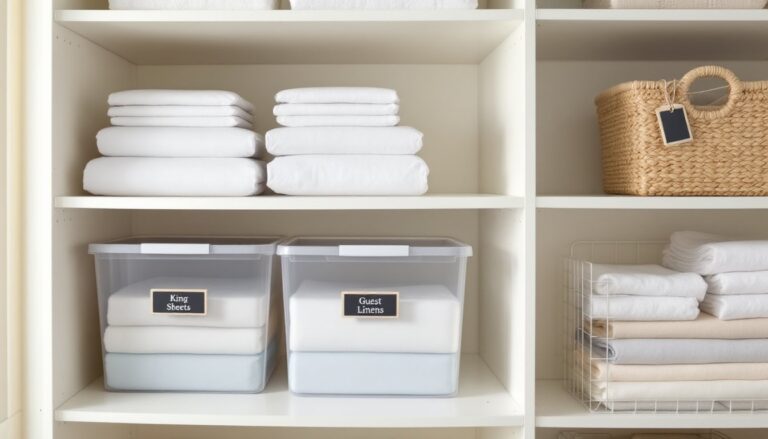
Label drawer contents if multiple people use the bed. Kids sharing a room or guest room setups benefit from simple labels (“Extra Blankets,” “Toys,” “Guest Linens”). Use removable labels or chalkboard paint on drawer fronts for flexibility.
Install under-bed LED motion lights for nighttime access. Battery-powered LED strips with motion sensors cost $15–$25 and stick to the bed frame’s underside. Guests can see the trundle pull-out path without fumbling for a lamp switch. These are especially helpful in kids’ rooms during sleepovers.
Rotate stored items seasonally. Don’t let trundle drawers become forgotten zones. Every 3–6 months, pull everything out, donate what’s unused, and reorganize. This prevents musty odors and makes room for new storage needs.
Consider cedar blocks or sachets in linens drawers. Enclosed storage traps moisture and odors. Cedar naturally repels moths and absorbs humidity without adding chemical smells. Replace blocks annually for best results.
Use the trundle frame for extra storage when not hosting guests. Place shallow bins (6″ high or less) on the trundle mattress before sliding it back under the bed. This adds 10–12 cubic feet of hidden storage for items you don’t need daily, holiday decorations, gift wrap, or archival documents. Just remember to remove bins before pulling the trundle out for sleeping.