Small bedrooms and cluttered spaces have met their match. The Dalton storage bed combines sleeping space with functional storage, eliminating the need for bulky dressers or overflowing closets. Originally popularized through DIY woodworking communities, this bed design features built-in drawers or cubbies that transform wasted space beneath the mattress into organized storage. Whether someone’s furnishing a compact apartment, a child’s room, or simply trying to declutter, the Dalton storage bed offers a practical solution that doesn’t sacrifice style for function.
Table of Contents
ToggleKey Takeaways
- A Dalton storage bed combines a platform-style frame with integrated drawers or cubbies, providing 12-20 cubic feet of storage equivalent to a small dresser in compact bedrooms.
- The modular design of a Dalton storage bed allows customization to fit different room layouts and storage needs, with options for deep drawers, shallow compartments, or open shelving.
- DIY Dalton storage beds cost $200-350 in materials and require 12-16 hours of intermediate woodworking skills using basic tools like a circular saw, drill, and pocket hole jig.
- This bed design eliminates the need for a box spring, supports 500-800 pounds, and works best with foam or hybrid mattresses in twin, full, queen, or king sizes.
- Proper weight distribution, labeled storage zones, and seasonal rotation maximize organization and accessibility while keeping frequently used items within easy reach.
What Is a Dalton Storage Bed?
A Dalton storage bed is a platform-style bed frame with integrated storage compartments built directly into the base. Unlike standard bed frames that leave dead space underneath, this design incorporates drawers, open cubbies, or lift-up platforms to house clothing, linens, shoes, or seasonal items.
The frame typically stands 14-18 inches off the floor, providing clearance for storage while maintaining a comfortable mattress height. Most designs use 2×4 and 2×6 lumber (actual dimensions 1.5″ × 3.5″ and 1.5″ × 5.5″) for the structural frame, with plywood or MDF panels forming drawer boxes and cubby dividers.
What sets the Dalton apart from generic storage beds is its modular design. The storage configuration can be customized, three large drawers on one side, six smaller cubbies, or a combination of both. This flexibility makes it adaptable to different room layouts and storage needs.
The bed accommodates standard mattress sizes: twin, full, queen, or king. No box spring is required, as the platform base provides adequate support. Many DIYers appreciate that the design doesn’t require advanced joinery skills, pocket hole screws, wood glue, and basic butt joints handle most of the assembly.
Key Features and Benefits of Dalton Storage Beds
Space Efficiency
The primary advantage is reclaiming vertical space. A queen-size Dalton bed can provide 12-20 cubic feet of storage, equivalent to a small dresser. This is particularly valuable in bedrooms under 120 square feet, where every inch counts.
Customizable Storage Zones
Drawers can be sized for specific items: shallow drawers (4-6 inches deep) for folded shirts or accessories, deeper drawers (8-12 inches) for jeans or sweaters. Open cubbies work well for baskets, bins, or items accessed frequently.
Structural Stability
Properly built Dalton beds use cross-bracing and center support beams to prevent sagging. The integrated storage compartments actually reinforce the frame, distributing weight more evenly than hollow bed frames. Expect a well-constructed unit to support 500-800 pounds (mattress plus occupants).
No Box Spring Needed
The platform eliminates the $200-400 cost of a box spring. Slats spaced 3-4 inches apart provide adequate ventilation for foam or hybrid mattresses, preventing moisture buildup.
Budget-Friendly Build
Materials for a queen-size DIY Dalton bed typically run $200-350, depending on lumber grade and hardware choices. Pre-built versions retail for $600-1,200, but the DIY route saves money while allowing full customization.
Timeless Aesthetic
The clean-lined, platform silhouette complements modern, farmhouse, or minimalist interiors. Stain it dark walnut for a contemporary look, or paint it white for a cottage vibe.
Types of Dalton Storage Beds Available
Drawer-Style Dalton Beds
The most common configuration features three to six drawers on one or both sides of the bed. Drawers ride on basic wood glides (budget option) or ball-bearing slides (smoother operation, $8-15 per pair). Full-extension slides allow access to the entire drawer depth, worth the extra cost for deep storage.
Cubby/Shelf-Style Beds
Open compartments replace drawers, creating nine to twelve cubbies around the bed perimeter. This design suits those who prefer baskets or fabric bins over drawers. It’s also faster to build, as it skips drawer box construction and hardware installation. Cube openings are typically 13×13 inches to fit standard storage bins.
Hybrid Configurations
Some builders mix drawers on one side with open cubbies on the other, or add a headboard with built-in shelving. The versatility of the Dalton design encourages experimentation. For those interested in exploring more options, creative under bed storage solutions can complement any bedroom layout.
Lift-Top Platform Beds
A less common variant uses gas lift struts to raise the entire mattress platform, revealing a large storage cavity underneath. This suits bulky items like luggage or off-season bedding, but requires more precise hardware installation and adds $50-80 to the project cost.
Bookcase-Style Dalton Beds
Some designs extend the storage vertically, incorporating a tall headboard with shelves or cabinets. This creates a “bed wall” effect, ideal for studio apartments or rooms without space for nightstands.
Choosing the Right Dalton Storage Bed for Your Space
Measure First, Build Second
Sketch the room layout with accurate dimensions. Account for door swing clearance, window placement, and traffic flow. A queen Dalton bed measures roughly 60 inches wide × 80 inches long × 18 inches high (exterior dimensions). Add 24-36 inches of walkway space around the bed for comfortable movement.
Assess Storage Needs
Inventory what needs storing. Folded clothing works in drawers: shoes and accessories fit cubbies: bulky comforters require deeper compartments. Match the bed configuration to the items. Someone with limited closet space benefits more from deep drawers than open shelves.
Consider Drawer Orientation
Drawers should open toward walkable space, not walls or doors. If the bed sits against two walls (corner placement), consider cubbies on the accessible sides and drawers on the open side. Test clearance by measuring drawer depth plus 6 inches for pulling handles.
Mattress Compatibility
Platform beds work best with foam, latex, or hybrid mattresses (8-12 inches thick). Traditional innerspring mattresses designed for box springs may feel too firm without the added cushioning layer. Check mattress warranty requirements, some manufacturers void coverage if not used with their specified foundation.
DIY Skill Level
A basic drawer-style Dalton bed suits intermediate DIYers comfortable with a circular saw, drill, and measuring tape. Expect 12-16 hours of work spread over a weekend. Beginners may prefer cubby-style builds, which skip drawer construction. Lift-top mechanisms require more precise measurements and hardware installation.
Room for Growth
Kids’ rooms benefit from modular designs. Start with open cubbies for toys, then add drawer boxes as storage needs evolve. Avoid permanently attaching components with glue alone, use screws so compartments can be reconfigured later.
Assembly and Installation Tips
Gather Materials and Tools
Typical materials for a queen-size build include:
- (8) 2×6 boards, 8 feet long (frame)
- (4) 2×4 boards, 8 feet long (supports)
- (1) 4×8 sheet of ¾-inch plywood (drawer bottoms, dividers)
- (1) 4×8 sheet of ½-inch plywood (back panels)
- Pocket hole screws (1¼-inch and 2½-inch)
- Wood glue
- Drawer slides (if using drawers)
- Slats or plywood for mattress platform
Tools needed:
- Circular saw or miter saw (miter saw gives cleaner crosscuts)
- Drill/driver with bits
- Pocket hole jig (Kreg K4 or similar)
- Tape measure, square, clamps
- Safety glasses and hearing protection
Cut Accurately
Measure twice, cut once. Mark cuts with a speed square for 90-degree accuracy. When ripping plywood sheets, use a straight edge guide clamped to the sheet, freehand cuts rarely run true. For those seeking additional guidance, experienced builders at Fix This Build That offer detailed project plans for furniture builds.
Assemble the Frame First
Build the outer perimeter using 2×6 boards. The headboard and footboard rails run the full width: side rails connect them. Add a center support beam (2×6) running lengthwise for mattresses queen-size and larger, this prevents sagging. Secure joints with 2½-inch pocket hole screws and wood glue.
Install Dividers and Supports
Cubby dividers and drawer compartment walls attach to the frame using pocket screws from below. Space dividers evenly, checking measurements against storage bin dimensions if using baskets. Attach 2×4 cleats horizontally where drawer slides will mount.
Build and Install Drawers
Construct drawer boxes from ½-inch or ¾-inch plywood. Use rabbet joints or butt joints reinforced with glue and brads. Attach drawer fronts after mounting slides, this allows fine-tuning alignment. Leave ⅛-inch gaps between drawer fronts for clearance.
Add the Platform
Lay 1×4 slats across the frame, spaced 3 inches apart, or install a single sheet of ¾-inch plywood. Secure slats with 1¼-inch screws into the frame’s top edge. Slats should run perpendicular to the side rails for maximum support.
Sand and Finish
Smooth all surfaces with 120-grit sandpaper, then 220-grit for a fine finish. Apply primer before paint, or use pre-stain wood conditioner before staining to prevent blotching, especially on pine. Two coats of water-based polyurethane protect the finish without yellowing.
Get Help Lifting
Once assembled, a queen-size storage bed weighs 150-200 pounds. Position it before adding the mattress. Recruit a second person to avoid back strain or frame damage. Beginners can find additional support through tutorials at The Handyman’s Daughter, which offers step-by-step furniture building guides.
Maximizing Storage with Your Dalton Bed
Zone by Category
Assign specific drawers or cubbies to clothing types, linens, or accessories. Keep frequently used items in easy-reach compartments near the bed’s head. Off-season clothing or extra bedding goes in less accessible areas near the foot.
Use Drawer Organizers
Dividers or small bins inside drawers prevent items from shifting. Spring-loaded dividers or custom-cut foam core inserts keep socks, underwear, and accessories tidy. This makes finding items faster and maintains organization long-term.
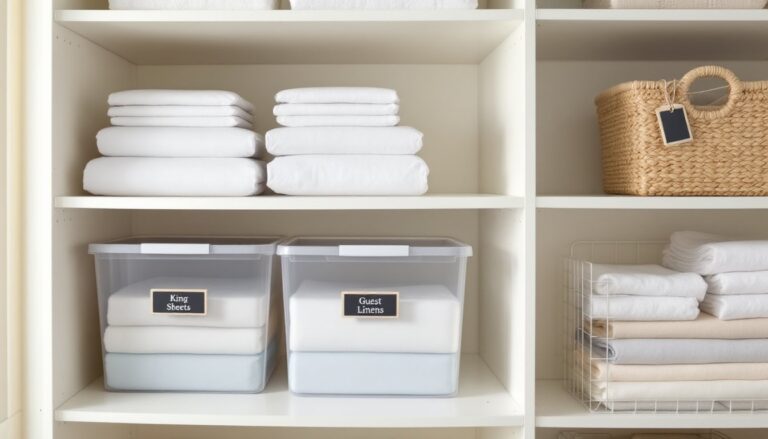
Label Cubbies
If using baskets or fabric bins in open cubbies, attach chalkboard labels or printed tags. This is especially helpful in kids’ rooms, where labeled bins encourage children to return items to the correct spot.
Vacuum-Seal Bulky Items
Comforters, winter coats, or pillows compress to a fraction of their size in vacuum-seal bags. These fit easily into deeper drawers or lift-top compartments, freeing space for everyday items.
Mind the Weight Distribution
Avoid overloading one side of the bed with heavy items. Distribute weight evenly to prevent frame stress or drawer misalignment. Heavy items (books, tools) should go in lower compartments for stability.
Seasonal Rotation
Swap storage contents twice yearly. Move summer clothing to accessible drawers in spring: shift winter items forward in fall. This keeps relevant items within easy reach and reduces clutter.
Maintain Accessibility
Don’t bury items you’ll need frequently. If something requires moving multiple bins or drawers, it’s stored inefficiently. Reorganize as habits change, storage systems should adapt to life, not complicate it.
Conclusion
The Dalton storage bed proves that smart design solves real problems. By integrating storage into the bed frame, it eliminates clutter without sacrificing floor space. Whether building one from scratch using DIY woodworking plans or customizing a design, the result is a functional centerpiece that organizes belongings and simplifies daily routines. With proper planning, quality materials, and attention to detail during assembly, this bed delivers years of reliable use in any bedroom.