A twin loft bed with desk and storage isn’t just furniture, it’s a strategy for reclaiming square footage in a bedroom that’s feeling cramped. Whether outfitting a kid’s room, a teen’s study space, or even a compact studio apartment, this configuration stacks sleeping space overhead and tucks productive zones underneath. The result? More usable floor area without knocking down walls or renting a bigger place. This guide walks through what defines these beds, why they work, what to look for when buying or building, and how to make the most of the setup once it’s in place.
Table of Contents
ToggleKey Takeaways
- A twin loft bed with desk and storage reduces bedroom footprint from 55–65 square feet to just 25–30 square feet, freeing up valuable floor space without renovation.
- When shopping for a twin loft bed with desk and storage, prioritize weight capacity (250+ lbs for solid wood or welded steel), guardrail safety (at least 5 inches above mattress), and desk dimensions (minimum 24″ depth × 36″ width for functional workspace).
- Twin loft beds work best for ages 6–18 with proper ceiling clearance (8+ feet), but aren’t suitable for toddlers under 6, people with mobility challenges, or rooms with low ceilings.
- Always secure the loft bed frame to wall studs with L-brackets or anti-tip straps to prevent lateral sway—this safety step is non-negotiable, not optional.
- Custom upgrades like LED task lighting, pegboards, privacy curtains, and built-in storage modules can maximize usability and personalization without compromising structural integrity.
- Proper desk lighting is critical since the elevated bed casts shadows on the work surface; add clip-on lamps or LED strips under the loft platform to prevent eyestrain.
What Is a Twin Loft Bed with Desk and Storage?
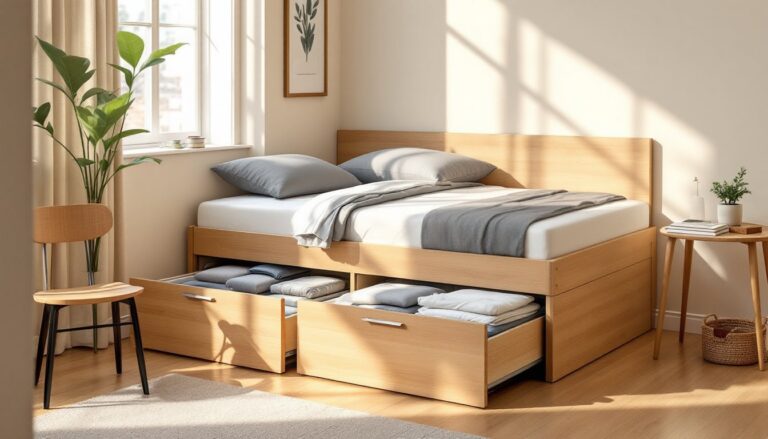
A twin loft bed with desk and storage elevates a standard twin mattress (typically 38″ × 75″) on a raised platform supported by posts or a solid frame, leaving the area below open for functional furniture. The vertical clearance under the bed usually ranges from 48″ to 60″, enough headroom for a seated workspace or standing storage units, depending on ceiling height.
The desk component may be built-in (attached directly to the bed frame) or freestanding (placed beneath but not structurally connected). Built-in desks often include integrated shelving, cubbies, or drawer units on the side or rear of the frame. Storage can take the form of open shelves, enclosed cabinets, hanging rods, or pull-out bins, some designs even incorporate a small dresser or bookcase as a structural support leg.
Materials vary widely: solid wood (pine, oak, birch) for durability and weight capacity: engineered wood (plywood, MDF, particleboard) for budget-friendly options: and metal tubing for industrial or minimalist aesthetics. Weight ratings matter, most twin lofts handle 200–250 lbs for the sleeping surface, but check specs if the user is heavier or if you plan to store books or gear on overhead shelves.
Standard configurations include a fixed ladder (vertical rungs attached to the frame), angled ladder (easier to climb, takes more floor space), or staircase with built-in drawers (safest and adds storage, but bulkier). Guardrails are mandatory on the open sides: look for rails at least 5 inches above the mattress top to meet CPSC safety standards for youth furniture.
Why Choose a Twin Loft Bed with Desk and Storage?
Space Optimization Benefits
The primary draw is square-footage efficiency. A standard twin bed and separate desk consume roughly 55–65 square feet of floor space (bed: ~20 sq ft, desk: ~10 sq ft, clearance for access: ~25–35 sq ft). A loft configuration condenses that footprint to around 25–30 square feet, freeing up room for seating, play areas, or storage cubbies.
This vertical stacking pays off in small bedrooms (under 100 sq ft), shared kids’ rooms, or micro-apartments where every inch counts. It also simplifies traffic flow, no more squeezing between a bed frame and a desk chair. Built-in storage eliminates the need for a standalone dresser or bookshelf, further reducing clutter.
Another win: psychological separation. Elevating the sleep zone creates a subtle boundary between rest and work, which can improve focus during assignments or remote tasks. Kids and teens often appreciate the “fort-like” feel of a raised bed, making bedtime less of a chore.
Versatility for Different Age Groups
Ages 6–12: Loft beds pair well with assignments stations and toy storage. Look for lower loft heights (around 48″ clearance) so younger children can climb safely. Angled ladders or staircases reduce fall risk. Built-in bookshelves and cubby organizers help corral school supplies and games.
Teens (13–18): This age group benefits from full-size desks with room for laptops, monitors, and craft projects. Higher loft clearance (54″–60″) accommodates desk chairs with backrests. Integrated outlets and cable-management grommets are practical upgrades. Teens also appreciate the privacy of an elevated bed, it feels more like a loft apartment than a kid’s room.
College students and young adults: In dorm rooms or starter apartments, a twin loft bed with desk frees up floor space for minifridges, seating, or extra storage. Metal frames with industrial finishes suit minimalist or modern decor. Some adults use the desk zone for hobbies, sewing stations, gaming setups, or art tables, rather than strictly work.
Not ideal for: Toddlers under 6 (fall hazard), anyone with mobility challenges (climbing a ladder nightly isn’t practical), or rooms with ceiling heights under 8 feet (you’ll sacrifice headroom on the desk below or hit your head sitting up in bed).
Key Features to Look for When Shopping
Weight capacity: Verify both the sleeping surface and any overhead shelves. Solid wood and welded steel frames typically support 250+ lbs: particleboard or bolt-together metal may max out at 200 lbs. If the bed will hold an older teen or adult, don’t skimp here.
Guardrail height and coverage: Rails should run along all open sides and stand at least 5 inches above the mattress. Gaps between rails and the bed frame should be no wider than 3.5 inches to prevent entrapment (per CPSC guidelines).
Desk dimensions: A usable workspace needs at least 24 inches of depth and 36 inches of width for a laptop, notebook, and elbow room. Built-in desks sometimes skimp on depth, measure before buying. If the desk is freestanding, confirm it fits the underbed clearance without blocking the ladder.
Storage configuration: Decide between open shelves (easy access, but dust-prone) and closed cabinets (cleaner look, better for hiding clutter). Under bed storage solutions like rolling bins or drawer units can supplement built-in options if the frame doesn’t include enough cubbies.
Material and finish: Solid pine or hardwood takes paint and stain well, making refinishing or customization straightforward. Laminated MDF resists scratches but can’t be sanded or repainted. Metal frames are durable and modern but may need threadlocker on bolts to prevent squeaking over time.
Assembly complexity: Expect 2–4 hours for most kits with two people. Pre-drilled holes and labeled hardware simplify the job. Some brands ship frames in two or three boxes, confirm all parts arrive before starting. Metal frames usually bolt together: wood frames may use cam locks, dowels, or screws. A power drill with Phillips and hex bits speeds things up.
Safety certifications: Look for ASTM F1427 (standard for bunk beds) or CPSC compliance. These ensure guardrail height, structural integrity, and entrapment hazard testing.
Extras worth considering: Built-in outlets or USB ports (check cord routing and surge protection), pegboards or corkboards on the desk hutch, hooks for backpacks, and cable-management channels. If buying unfinished wood, factor in time and cost for sanding, priming, and painting.
Best Placement and Room Layout Tips
Ceiling clearance: Measure from floor to ceiling, then subtract the bed frame height (usually 60″–72″ total). You need at least 30–36 inches of space above the mattress for a sleeper to sit up comfortably. In rooms with 8-foot ceilings, this often means choosing a lower loft or accepting a tight fit.
Wall anchoring: Most loft beds include L-brackets or anti-tip straps to secure the frame to wall studs. This isn’t optional, lateral sway from a restless sleeper or an active kid can destabilize the structure. Use a stud finder to locate solid framing, then drive 3-inch wood screws or toggle bolts (for drywall-only spots) through the brackets. If the bed sits perpendicular to studs, reposition it or use multiple anchors.
Desk lighting: The bed frame will cast shadows on the work surface, especially if the desk faces away from windows. Add a clip-on desk lamp or an LED strip under the loft platform (hardwired or battery-powered) to prevent eyestrain. Position the desk so natural light comes from the side, not behind the user (to avoid screen glare).
Access and traffic flow: Leave at least 24 inches of clearance in front of the ladder so it’s easy to climb without stepping over shoes or backpacks. If the room has a door that swings inward, ensure it doesn’t collide with the bed frame or desk chair.
Ventilation and heating: Lofted sleeping areas can trap heat, especially near the ceiling. If the room has a ceiling fan, confirm the bed doesn’t obstruct airflow. In winter, warm air rises, sleepers may need lighter blankets than expected. Avoid placing the bed directly over heating vents or radiators: the desk zone will be uncomfortably warm.
Flooring protection: If the bed sits on hardwood or laminate, use felt pads under the legs to prevent scratches when repositioning the frame. On carpet, the weight may compress fibers, not structurally problematic, but worth noting if you plan to move the bed later.
DIY Customization Ideas for Your Loft Bed Setup
Paint and finish upgrades: Unfinished pine or birch frames are blank canvases. Sand with 120-grit paper, wipe clean, then apply a stain-blocking primer (especially over knots). Two coats of satin or semi-gloss latex paint hold up better than flat finishes in high-touch areas. For a two-tone look, paint the frame one color and the desk surface another, or use chalkboard paint on a side panel for notes and doodles.
Add a pegboard or slat wall: Mount a perforated hardboard panel to the back or side of the desk area for hanging supplies, headphones, or small tools. Pre-drill pilot holes into the bed frame or wall studs, then secure with 1.5-inch wood screws and spacers so hooks can slide in. Slat walls (horizontal wood strips) offer a modern aesthetic and work the same way.
Upgrade the ladder: Swap a vertical ladder for an angled one by building a simple frame from 2×3 lumber and 1-inch dowels or metal pipe for rungs. Angle it at 70–75 degrees and anchor the top to the bed frame with carriage bolts. For stair-style access, frame a set of boxes from 3/4-inch plywood, stack them offset like steps, and screw through the sides into the bed posts. Each box can double as a drawer if you add slides and a front panel.
Install task lighting: Run an LED strip (with adhesive backing) along the underside of the loft platform. Choose a model with a dimmer or remote so the sleeper above isn’t disturbed by bright work light. If you’re comfortable with basic wiring, a plug-in puck light or swing-arm lamp mounted to the frame keeps cords tidy. For a more polished look, drill a 1-inch hole through the desk surface for a grommet and thread the power cord through.
Build custom storage modules: Free plans from DIY sites like The Handyman’s Daughter and Fix This Build That include cubby shelves, rolling carts, and drawer units sized to fit under loft beds. Simple box construction from 1×12 pine boards or plywood works for most projects. Use a miter saw or circular saw with a guide for square cuts, then assemble with wood glue and 1.25-inch brad nails or pocket screws. If building a full desk system, free woodworking plans that integrate CPU storage and cable routing.
Curtains or privacy panels: Hang a tension rod or install L-brackets under the loft to support a curtain rod. Fabric panels (canvas, linen, or blackout material) let the sleeper above close off the desk zone for naps or create a cozy study nook. Use drapery clips or grommets for easy open/close.
Safety add-ons: If the frame didn’t include enough guardrail coverage, build extensions from 1×4 boards cut to length and screwed into the existing rails. Sand edges smooth and paint to match. For younger kids, add foam pipe insulation to exposed corners or metal edges to cushion accidental bumps.
Seasonal swaps: In summer, swap heavy bedding for lighter quilts. In winter, add a small clip-on fan to circulate air if the loft gets stuffy. Keep a step stool nearby for making the bed, reaching overhead to tuck sheets is awkward without one.
Most customization projects require basic tools: drill/driver, circular or miter saw, measuring tape, level, stud finder, and safety glasses. If cutting plywood or MDF, wear a dust mask, fine particulate is hard on lungs. Work in a well-ventilated area and secure workpieces with clamps before cutting. For any modifications that alter the bed’s structural integrity (like removing guardrails or resizing the frame), consult the manufacturer or a structural engineer, DIY doesn’t mean disregarding load limits or safety standards.