Square storage bins have become the go-to solution for homeowners looking to maximize storage without sacrificing floor space. Unlike their round counterparts, square bins fit flush against walls and stack tightly together, eliminating wasted gaps and dead corners. Whether you’re organizing a cluttered garage, taming kids’ toys, or finally getting that pantry under control, the right storage bin makes all the difference. This guide walks through the types, selection criteria, and practical uses for square storage bins, no fluff, just what works.
Table of Contents
ToggleKey Takeaways
- Square storage bins maximize floor space and hold approximately 20% more volume than round containers because their 90-degree corners eliminate wasted gaps.
- Fabric bins work best for lightweight items in climate-controlled spaces, while plastic bins handle 30–50 pounds and are ideal for garages, basements, and heavy-duty storage.
- Stackable square storage bins can safely hold three to four units high, creating vertical storage that keeps floors clear when heavier items are placed on the bottom.
- Measure your space before purchasing—shelf depth, cubby openings, and vertical clearance determine which square bin size will fit without overhang.
- Clear plastic square storage bins reduce time spent searching for items, while uniform sizing and a consistent labeling system create a more functional organization solution.
- Use category-specific bins throughout your home: fabric bins for off-season clothing in closets, plastic bins for hardware and tools in garages, and small bins for bathroom supplies under sinks.
Why Square Storage Bins Are the Smart Choice for Home Organization
Square bins win on efficiency. The 90-degree corners let them sit tight against walls, under shelves, and inside cubbies without leaving awkward voids. A standard 13-inch square bin holds roughly 20% more volume than a comparable round container, that’s real estate you’d otherwise lose to curved edges.
Space optimization is the biggest advantage. When organizing closets or pantries, square bins tile perfectly side-by-side and front-to-back. There’s no jigsaw puzzle of trying to fit circular containers into rectangular shelves. This matters especially in tight spots like linen closets, under-stair storage, or narrow utility rooms.
Stackability is another win. Most square bins feature reinforced corners and flat lids designed to bear weight. You can safely stack three to four bins high (depending on construction and load), creating vertical storage that keeps floors clear. Just ensure heavier items go on the bottom to prevent toppling, basic physics applies here.
Square bins also play well with small space living ideas for maximizing every inch. They fit standard wire shelving (12-inch, 16-inch, and 24-inch depths) without overhang, and many cube organizers are sized specifically for square bins. This universal compatibility means less guesswork when shopping and fewer returns.
Types of Square Storage Bins for Different Needs
Fabric and Collapsible Bins
Fabric bins are the workhorse for living spaces where you want storage that doesn’t scream “plastic tote.” Canvas, polyester, and felt are common materials. Look for bins with reinforced sidewalls, either cardboard inserts or rigid panels sewn into the fabric. Without these, fabric bins sag when loaded and lose their square shape.
Typical dimensions run 11x11x11 inches (cube organizer standard), 13x13x13 inches, or 15x15x15 inches. Handles, preferably dual cutout or reinforced fabric loops, make a difference when you’re pulling bins off high shelves. Some models include metal grommets for label tags, a nice touch if you’re organizing by category.
Collapsible fabric bins fold flat when not in use, ideal for seasonal storage swaps (winter clothes out, summer gear in). They’re machine washable in most cases, though spot-cleaning extends lifespan better than repeated wash cycles. Expect to pay $8–$20 per bin depending on size and material quality.
Fabric bins work best for lightweight, non-fragile items: clothing, linens, soft toys, craft supplies. They’re not waterproof, so skip them for damp basements or garages unless treated with a water-resistant coating.
Plastic and Stackable Bins
Plastic storage bins handle the heavy lifting, literally. Polypropylene and high-density polyethylene (HDPE) are the standard materials. These bins support 30–50 pounds when stacked, making them suitable for tools, hardware, canned goods, books, or anything with real heft.
Look for interlocking lids or recessed lid designs. A flat lid that simply sits on top will slide off when stacked: interlocking tabs or grooves keep the tower stable. Clear plastic lets you see contents at a glance, while opaque bins hide clutter but require labeling.
Common sizes include 12x12x8 inches (low-profile), 13x13x10 inches (medium depth), and 16x16x12 inches (large capacity). The larger bins hold roughly 15–20 gallons. Measure your shelf depth before buying, 16-inch bins don’t fit 12-inch wire shelving.
Ventilated bins (with perforated sides) work for items that need airflow: sports equipment, pool toys, or anything that might trap moisture. Solid-wall bins are better for dust protection and stacking strength. Many plastic bins have molded-in handles or grip cutouts: test the ergonomics if possible, as sharp edges dig into hands when carrying heavy loads.
Plastic bins cost $5–$25 depending on size and features. They’re dishwasher-safe on the top rack, though hand-washing prevents warping. Expect a 10+ year lifespan with normal use, these things are tough.
How to Choose the Right Square Storage Bins for Your Space
Start by measuring the space, not the stuff. Grab a tape measure and check shelf depth, cubby openings, and vertical clearance. A bin that’s 1 inch too wide won’t fit, period. Note any obstructions: closet rods, shelf brackets, or baseboard trim that might block bin placement.
Match material to environment. Fabric bins suit climate-controlled living areas, bedrooms, playrooms, home offices. Plastic handles temperature swings, humidity, and the occasional garage oil drip. If you’re storing in an unfinished basement or outdoor shed, plastic is the only real choice unless you enjoy replacing moldy fabric every season.
Consider access frequency. Items you grab daily (kids’ toys, cleaning supplies) need easy-access bins with handles and no lids. Seasonal or archival storage can use lidded bins stacked high. Label everything clearly, a label maker or even painter’s tape and a Sharpie works. Future-you will appreciate it.
Weight capacity matters for stackable setups. Check manufacturer specs: most fabric bins max out around 15–20 pounds, while reinforced plastic handles 30–50 pounds per bin. Don’t exceed these limits, stacks collapse, bins crack, and stuff breaks.
Color coordination helps, but function trumps aesthetics. Neutral tones (gray, beige, white) blend into most spaces. Bright colors work for kids’ rooms or color-coded organizing systems (blue for winter gear, red for sports equipment). Transparent plastic is unbeatable for quick identification, though it does showcase the chaos inside. Several reviews of top storage bins note that clear bins reduce time spent hunting for items.
Quantity planning: Count how many bins you need before buying. It’s tempting to grab a few and see how it goes, but mix-and-match sizing rarely works as well as a uniform system. Most retailers offer multi-packs at a discount, six-packs or eight-packs of identical bins run 15–20% cheaper per unit than singles.
Creative Ways to Use Square Storage Bins Throughout Your Home
Pantry organization: Use clear plastic bins to corral snack bags, baking supplies, or canned goods by category. A 13x13x10-inch bin holds about 20 cans or 6–8 boxes of pasta. Group like items together (breakfast, baking, snacks) and label the front edge with a strip of painter’s tape. This system prevents the avalanche effect when you pull one item out.
Closet systems: Fabric bins on upper shelves store off-season clothing, extra bedding, or shoes. The 11x11x11-inch cube size fits standard closet organizers perfectly. Use shorter bins (8-inch height) for scarves, belts, or accessories so you’re not digging through a deep box. According to expert storage organization guides, uniformly sized bins create a cleaner, more functional closet.
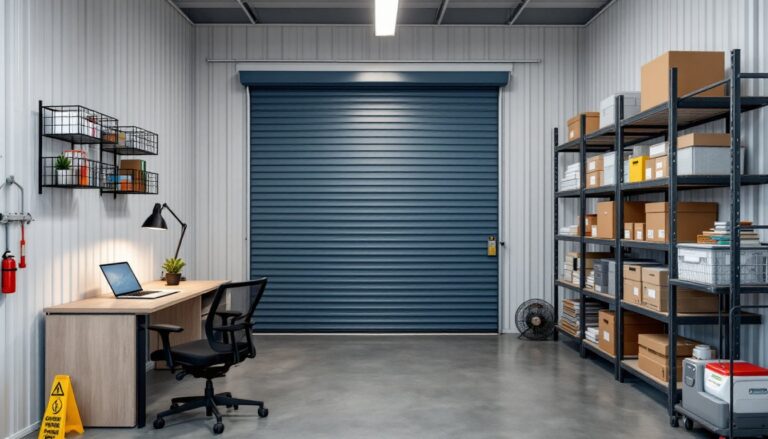
Garage and workshop: Heavy-duty plastic bins keep hardware sorted, screws, nails, bolts, washers. A drawer-style organizer works for tiny parts, but square bins handle bulk quantities. Stack bins along walls on metal shelving units (18-inch or 24-inch depth). Label with contents and approximate count (“3/4-inch wood screws, ~200”). Safety note: Keep hazardous materials (paints, solvents, chemicals) in original containers with intact labels, stored per manufacturer instructions and local codes.
Kids’ rooms: Assign one bin per toy category: blocks, action figures, art supplies, dress-up clothes. At floor level, kids can pull bins out, play, and (ideally) return them. Fabric bins are safer than hard plastic for younger kids, no sharp corners. Velcro-attach picture labels if kids can’t read yet (photo of blocks on the blocks bin).
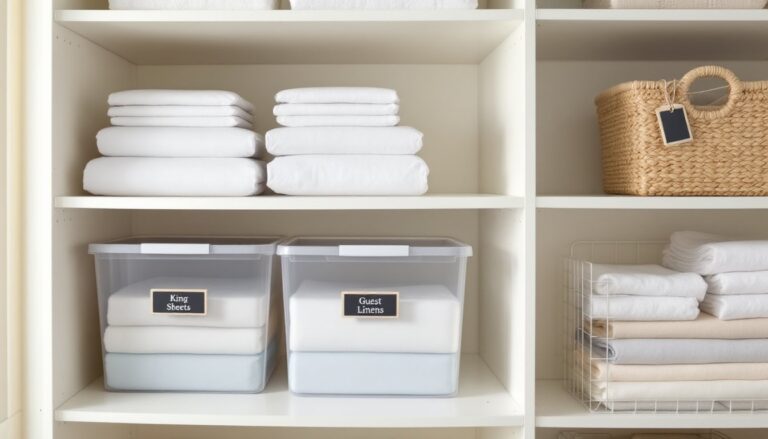
Bathroom and linen closets: Small square bins (8×8 or 10×10 inches) corral toiletries, first-aid supplies, or cleaning products under the sink. Stack folded washcloths or hand towels in open bins on shelves for a spa-like look that’s actually functional. Plastic bins prevent water damage if a bottle leaks.
Craft and hobby supplies: Nothing gets messier faster than craft supplies. Use clear bins for ribbon spools, paint bottles, or fabric scraps. The visibility factor saves time and prevents duplicate purchases because you forgot you already own six tubes of red acrylic paint.
Mudroom or entryway: One bin per family member for gloves, hats, and small gear. Boots and shoes go underneath: bins sit on a bench or shelf above. This system contains the entry chaos without requiring a custom built-in.
Conclusion
Square storage bins deliver measurable efficiency gains, better space utilization, stackability, and compatibility with standard shelving. Choose fabric for living spaces and light loads, plastic for durability and heavy-duty storage. Measure before you buy, match bins to your access patterns, and commit to a labeling system that actually works. Organization isn’t about buying more containers: it’s about creating systems that stick.