Bedroom storage is a perpetual challenge, especially in smaller homes or apartments where closet space is limited. A queen storage bed solves this problem head-on by combining your largest piece of furniture with functional storage capacity. Instead of wasting the valuable real estate beneath a standard bed frame, a bed frame queen with storage puts that space to work, holding off-season clothes, extra bedding, sports equipment, or anything else cluttering your closet. Whether you’re downsizing, organizing a guest room, or simply trying to reclaim floor space, a storage bed frame queen delivers practical results without sacrificing comfort or style.
Table of Contents
ToggleKey Takeaways
- A queen storage bed maximizes bedroom space by combining essential furniture with 10-20 cubic feet of storage capacity, eliminating the need for bulky under-bed bins and additional dressers.
- Drawer-style storage beds work best for frequently accessed items and require 18-24 inches of clearance, while hydraulic lift beds offer 30+ cubic feet of volume ideal for seasonal or bulk storage.
- When selecting a storage bed frame queen, measure your room’s clearance, assess whether you need daily access or bulk storage, and prioritize solid hardwood construction over particleboard for long-term durability.
- Building a DIY storage bed costs $200-$400 in materials and takes 8-12 hours, while pre-built options range from $600-$1,500 but include warranties and eliminate assembly time.
- Smart organization—such as using labeled dividers, clear bins, and moisture absorbers—maximizes your storage bed’s functionality and protects items from humidity and shifting.
- Ensure even weight distribution across the frame and confirm your bed’s load rating (typically 500-800 pounds total) to prevent sagging and extend the life of your storage bed.
What Is a Queen Storage Bed and Why You Need One
A queen storage bed is a bed frame designed with built-in storage compartments beneath the mattress platform. These aren’t afterthought add-ons, they’re integral to the frame’s construction, maximizing every cubic inch of space that would otherwise sit empty.
Most storage queen beds offer 10 to 20 cubic feet of storage capacity, equivalent to adding a medium-sized dresser to your room without taking up additional floor space. That’s enough room for bulky comforters, seasonal wardrobes, or boxed holiday decorations that typically crowd closets and hallways.
Why invest in a bed frame queen storage setup? First, it eliminates the need for under-bed plastic bins that collect dust and look messy when visible. Second, it consolidates storage into furniture you already need, reducing the number of pieces required in the room. Third, quality storage beds are engineered for long-term use with reinforced framing, typically 1×6 or 1×8 solid pine or engineered hardwood slats supported by center rails rated for 500+ pounds.
For renters or frequent movers, storage beds offer portability advantages over built-in closet systems. For homeowners planning to age in place, they reduce bending and reaching by keeping frequently used items accessible at waist height when drawers are opened.
Types of Queen Storage Beds to Consider
Not all storage beds operate the same way. The mechanism you choose affects daily usability, assembly complexity, and what you can actually store inside.
Drawer Storage Beds
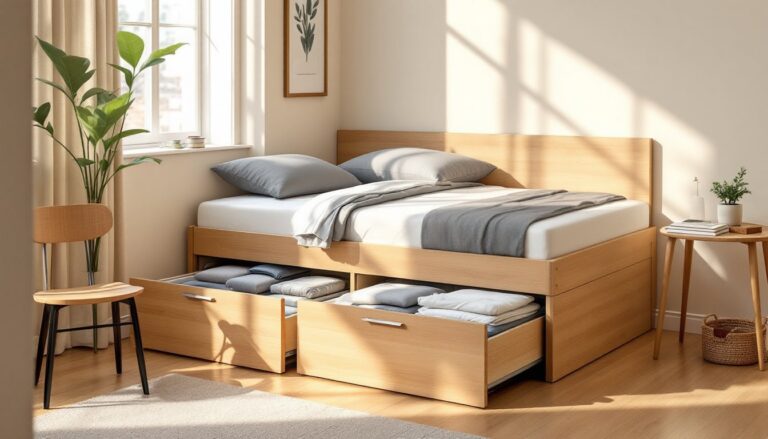
Drawer-style storage beds feature pull-out drawers on one or both sides of the frame. These typically come in two configurations: two large drawers (one per side) or four to six smaller drawers distributed around the perimeter.
Drawers run on ball-bearing slides or wooden glides. Ball-bearing hardware (rated for 75-100 pounds per drawer) provides smoother operation and better longevity, especially for heavier items like jeans or towels. Wooden glides are quieter but require occasional waxing to prevent sticking.
One practical consideration: drawer beds need clearance. Plan for 18 to 24 inches of floor space on the drawer side(s) for full extension. This makes them less ideal for rooms where the bed sits flush against walls on three sides.
Drawer beds excel for frequently accessed items, think pajamas, workout clothes, or bed linens. They’re also easier to organize since you can see contents at a glance without lifting the mattress. Many furniture building plans include detailed cut lists and hardware specs for DIYers wanting to customize drawer dimensions.
Hydraulic Lift Storage Beds
Hydraulic lift beds (also called gas-lift or ottoman beds) use pneumatic struts to raise the entire mattress platform, revealing a large open storage compartment underneath. The mattress stays attached to the platform during lifting, so there’s no need to remove bedding.
These beds offer the most storage volume, often 30+ cubic feet in a single undivided space. That makes them ideal for bulky or irregularly shaped items: luggage, sports gear, camping equipment, or storage bins you don’t need daily access to.
The lift mechanism uses gas struts rated for specific weight loads (usually 50-100 pounds of mattress weight). Higher-quality units feature soft-close dampers that prevent the platform from slamming shut. Struts typically last 5-7 years with regular use before needing replacement, a straightforward repair involving four mounting bolts.
Lift beds do have limitations. You can’t access storage when someone’s sleeping in the bed. And because the compartment is one large cavity, items can shift around unless you use dividers or bins. Some users solve this by lining the base with non-slip shelf liner and using labeled fabric bins for organization.
If you’re building your own, beginner-friendly tutorials often walk through hinge placement and strut mounting, critical steps for balanced lifting.
How to Choose the Right Queen Storage Bed for Your Space
Start by measuring your room, not just where the bed will sit, but the access space around it. A standard queen mattress measures 60 inches wide by 80 inches long. The frame adds 2-4 inches on each side, so plan for a 64×84-inch footprint minimum.
For drawer beds, measure wall-to-wall clearance. If you have only 12 inches between the bed and a dresser, drawers won’t open fully. Consider end-storage models where drawers pull out from the foot of the bed instead.
Next, assess what you’re storing. Daily-use items like extra pillows or linens? Drawers win. Seasonal bulk storage like winter coats or holiday decor? Hydraulic lift offers more volume. Mixed needs? Some hybrid frames combine shallow drawers on one side with a lift compartment on the other.
Pay attention to frame height. Storage beds sit higher than standard frames, typically 14 to 18 inches from floor to mattress platform (before adding the mattress itself). With a standard 10-12 inch mattress, your sleeping surface ends up 24-30 inches high. That’s comfortable for most adults but may require a step stool for kids or shorter individuals.
Material matters for longevity. Solid hardwood frames (oak, maple, birch) handle weight and wear better than particleboard or MDF, especially around drawer slides and hinge mounts. If budget is tight, look for frames with solid wood corner posts and rails, even if panels are engineered wood.
Finally, consider assembly complexity. Most drawer beds ship flat-pack and require 2-3 hours of assembly with basic tools (drill/driver, Allen wrenches, level). Hydraulic beds often arrive with the lift mechanism pre-installed, cutting assembly time but increasing shipping costs due to weight and size.
DIY vs. Pre-Built: What’s Best for Your Bedroom Project
Building your own storage bed frame queen gives you complete control over dimensions, materials, and storage configuration. It’s also cheaper, materials for a basic drawer bed run $200-$400 versus $600-$1,500 for comparable pre-built units.
DIY makes sense if you have intermediate woodworking skills and a basic shop setup: table saw or circular saw, drill/driver, and clamps. You’ll need to cut plywood or solid boards to size, assemble the frame with wood glue and 2.5-inch pocket screws or dados, and install drawer slides or lift hardware.
Plan on 8-12 hours of work spread over a weekend. The trickiest parts are ensuring the frame is square (measure diagonals, they should match) and mounting drawer slides level. A small error here means drawers bind or gap.
Free plans are abundant. Resources like project tutorials offer cut lists, hardware specs, and step-by-step photos. Most designs use ¾-inch plywood for panels and 1×4 or 1×6 pine for rails and supports. Budget an extra $50-$100 for hardware: drawer slides, corner brackets, wood screws, and finish.
Pre-built beds save time and eliminate the need for tools or skills. Quality varies widely, so inspect joinery methods. Look for frames with mortise-and-tenon joints or dowel construction at corners, far stronger than cam-lock fasteners common in budget furniture.
One often-overlooked factor: warranty and returns. DIY projects have no warranty, you own any mistakes. Pre-built frames from reputable manufacturers typically include 1-3 year warranties covering defects in materials or hardware.
If you’re on the fence, consider a semi-DIY approach: buy a basic platform frame and add your own under-bed storage solutions using rolling drawers or custom-built boxes. This splits the difference between cost and convenience.
Maximizing Storage Capacity in Your Queen Bed Frame
Getting the most from your bed with storage queen setup requires smart organization, not just tossing items into the void.
Start with inventory. List what you need to store and measure bulky items (luggage, bins, folded blankets). This prevents the frustration of buying a bed only to discover your storage containers don’t fit the compartment depth.
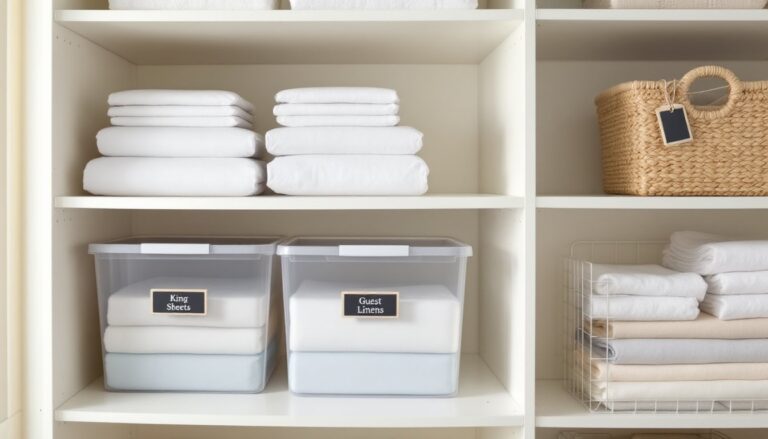
For drawer beds, use adjustable drawer dividers or fabric bins to create zones. One drawer for linens, another for clothing, a third for miscellaneous items. Label drawer fronts if they’re identical, you’ll thank yourself at 6 a.m. when searching for clean sheets.
In hydraulic lift beds, use clear plastic bins or fabric boxes with handles for easy retrieval. Stack heavier items toward the hinged side of the platform to reduce strain on gas struts. Avoid overloading, most struts are rated for lifting the mattress weight plus 30-50 pounds of stored items, not a full closet’s worth.
Consider vacuum storage bags for seasonal bedding or bulky winter clothes. These compress items to 1/3 their original volume, tripling effective storage capacity. Just note that repeated compression can flatten down-filled items over time.
Keep moisture in check. Enclosed storage under a bed can trap humidity, especially in damp climates. Toss a few silica gel packets or moisture absorbers in each compartment, and avoid storing damp towels or unwashed laundry.
Finally, respect weight distribution. Center-supported queen frames typically use a center rail with 3-5 support legs. Overloading one side with heavy storage can stress the frame and cause sagging. Distribute weight evenly, and if you’re storing particularly heavy items (books, files), confirm your frame’s load rating, most handle 500-800 pounds total, including mattress, sleepers, and stored items.
By treating storage as an integral system rather than hidden junk space, you’ll extend the life of the bed and actually use the capacity you paid for.