When January rolls around and the tree comes down, most homeowners face the same frustrating scene: ornaments crammed into cardboard boxes, tangled lights, and decorations that barely survived last year’s storage chaos. Proper holiday storage bins aren’t just about tidying up, they protect investments in decorations, maximize usable space, and save hours of frustration next season. Whether managing a small apartment’s seasonal rotation or storing multiple holidays’ worth of decor in a garage, the right bins and organization strategy make the difference between a smooth setup and a scavenger hunt through damaged decorations.
Table of Contents
ToggleKey Takeaways
- Holiday storage bins protect decorations from moisture, dust, and pests while preventing physical damage to ornaments, lights, and inflatables that represent significant household investments.
- Choose plastic bins with polypropylene or HDPE construction (at least 2mm wall thickness) for unconditioned spaces like garages and attics, while acid-free cardboard works only in climate-controlled closets or spare rooms.
- Organized holiday storage bins cut setup time by up to 40% compared to improvised solutions by enabling quick retrieval through clear labeling, transparency, or strategic compartment organization.
- Pack bins strategically by sorting items by holiday and frequency, layering heaviest items on bottom, wrapping fragile pieces individually, and filling voids with soft materials to prevent shifting.
- Maximize storage efficiency by standardizing bin sizes, installing wall-mounted or overhead shelving at least 6 inches off concrete floors, and grouping all holiday decorations in one centralized zone rather than scattering bins throughout your home.
- Implement weatherproof labeling on at least two bin sides and photograph contents before storing to create a digital inventory system that eliminates unpacking multiple containers during retrieval.
Why Holiday Storage Bins Are Essential for Every Home
Cardboard boxes from the attic disintegrate. Garbage bags tear. Generic totes crack under weight. Holiday storage bins serve three critical functions that random containers can’t match.
First, they protect against moisture, dust, and pests. Most holiday decorations, especially fabric items like stockings, wreaths, and tree skirts, deteriorate when exposed to fluctuating temperatures and humidity in attics, basements, or garages. Purpose-built storage bins with sealed lids create a barrier against these conditions.
Second, they prevent physical damage. Ornaments, lights, and inflatables represent significant investment. A quality bin with reinforced corners and stackable design prevents crushing, while specialty inserts cushion fragile items. Standard cardboard collapses under stacking weight, leading to broken glass ornaments and bent artificial tree branches.
Third, they streamline retrieval and setup. Uniform bins with clear labeling, or transparent sides, let users locate specific items without unpacking everything. This matters when decorating schedules are tight or when trying to find one specific wreath among a dozen boxes. According to research from storage experts at Good Housekeeping, organized holiday storage cuts setup time by up to 40% compared to improvised solutions.
For homes with limited storage space, bins also maximize vertical stacking capability. Unlike mismatched boxes, standardized bins nest efficiently, making better use of indoor storage areas without wasting cubic footage.
Types of Holiday Storage Bins and When to Use Each
Not all holiday storage bins are created equal. Different decoration types and storage environments demand specific solutions.
Plastic vs. Cardboard: Choosing the Right Material
Plastic bins dominate the holiday storage market for good reason. Look for containers made from polypropylene (PP) or high-density polyethylene (HDPE), both resist cracking in cold temperatures and won’t become brittle over multiple seasons. Standard sizes include 12-gallon (typically 23″ × 16″ × 13″), 18-gallon, and 32-gallon capacities.
Plastic bins work best in unconditioned spaces: attics, garages, sheds, and basements. They repel moisture, stack securely with interlocking lids, and survive being shifted around during storage reorganization. The trade-off? Quality bins cost $15–$40 each depending on size and features. Cheaper thin-walled versions crack within two seasons, so check wall thickness before buying, look for at least 2mm thickness on sidewalls.
Cardboard bins have one legitimate use case: climate-controlled storage in closets or spare rooms where moisture isn’t a concern. Acid-free archival boxes protect delicate vintage ornaments and heirloom decorations better than plastic, which can trap condensation. They’re also lighter for under-bed storage where weight matters.
Cardboard fails in garages and attics. It absorbs moisture, weakens under stacking weight, and attracts silverfish and roaches. If using cardboard, reinforce the bottom with packing tape and never stack more than two high.
Specialty Storage Solutions for Ornaments and Lights
Generic bins don’t cut it for fragile or awkward items. Ornament storage boxes with removable dividers and padded cells protect glass balls and painted pieces from chipping. Look for boxes with adjustable compartments, not fixed foam inserts, to accommodate different ornament sizes. A typical 64-compartment organizer measures about 14″ × 14″ × 10″ and fits inside standard storage bins.
Light storage reels prevent the annual tangled-strand nightmare. Reels accommodate 100–300 feet of lights depending on model and keep cords organized. Experts at Martha Stewart recommend wrapping lights around cardboard or purpose-built reels before storing, which prevents wire damage and cuts setup time.
Wreath storage bags with reinforced cardboard inserts maintain shape and prevent crushing. Standard sizes handle wreaths up to 30″ diameter. For artificial trees, invest in bags or bins sized to the tree, most 6–7.5-foot trees fit in bags measuring 48″ × 15″ × 20″, though these take up significant space and don’t stack well with other bins.
How to Choose the Perfect Holiday Storage Bins for Your Space
Five factors determine the right bin system for a household’s needs.
Storage location drives material choice. Conditioned spaces (closets, interior storage rooms) tolerate cardboard or fabric bins. Unconditioned spaces (garages, attics, sheds) require plastic. If storing in a basement with any history of moisture, plastic with weatherproof gasket seals isn’t optional, it’s mandatory.
Stackability matters for vertical storage. Look for bins with recessed lids that nest into the bin below, preventing toppling. Some models include reinforced corners and ribbed sidewalls for stacking strength. Test this in-store if possible, cheap bins bow under weight even when empty.
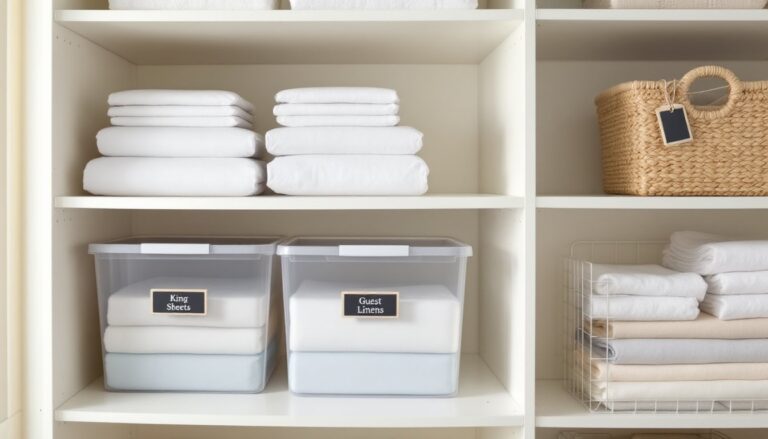
Transparency speeds retrieval. Translucent bins let users identify contents without opening, though they cost 20–30% more than opaque versions. The alternative: clear label pockets on opaque bins. Skip handwritten tape labels, they peel off in temperature swings.
Size standardization prevents storage Tetris headaches. Commit to one or two bin sizes max. Three 18-gallon bins stack and store more efficiently than a mix of random sizes. Measure storage space first, garage shelves, closet floors, attic joists, then buy bins that maximize that footprint.
Access method influences lid style. Bins stored on high shelves benefit from hinged lids that stay attached and won’t fall when opened. Bins on floors or convenient storage areas work fine with removable lids, which allow fuller packing. Latching lids add security but can crack, look for metal latches, not plastic tabs.
Smart Packing and Organization Strategies
Even premium bins fail without proper packing technique. These strategies maximize protection and efficiency.
Sort by holiday and usage frequency before packing. Don’t mix Halloween and Christmas in one bin just to fill space. Group items by when they’re needed: early decorations versus tree ornaments versus post-holiday decor. This prevents unpacking six bins to find outdoor lights.
Layer strategically within each bin. Heaviest items go on bottom, ceramic villages, wreath bases, candle holders. Middle layers hold medium-weight fabric items, table runners, stockings, garlands. Top layer stays light, tinsel, paper decorations, small ornaments in protective cases. Never place heavy items on top of fragile decorations.
Fill voids with soft items to prevent shifting. Fabric decorations, throw pillows, or even clean rags cushion fragile items and use space efficiently. Empty space lets items bang around during handling, which breaks ornaments and bends artificial branches.
Wrap individual fragile items before binning. Tissue paper works for lightweight ornaments. Bubble wrap handles heavier glass or ceramic pieces. Skip newspaper, ink transfers to decorations and doesn’t cushion well. Those following packing for storage best practices know that individual wrapping matters more than bin quality for fragile items.
Label comprehensively on at least two sides. Include holiday, contents summary, and room destination (“Christmas, Living Room Mantle” or “Halloween, Front Porch”). Use weatherproof labels or write directly on plastic bins with permanent marker. Taped paper labels peel off within one season in garages or attics.
Strategies from Real Simple’s storage experts also recommend photographing bin contents before closing lids, then storing those photos digitally. This creates a visual inventory without opening bins during retrieval.
Where to Store Holiday Bins for Maximum Space Efficiency
Storage location affects both decoration longevity and household functionality. Each space has trade-offs.
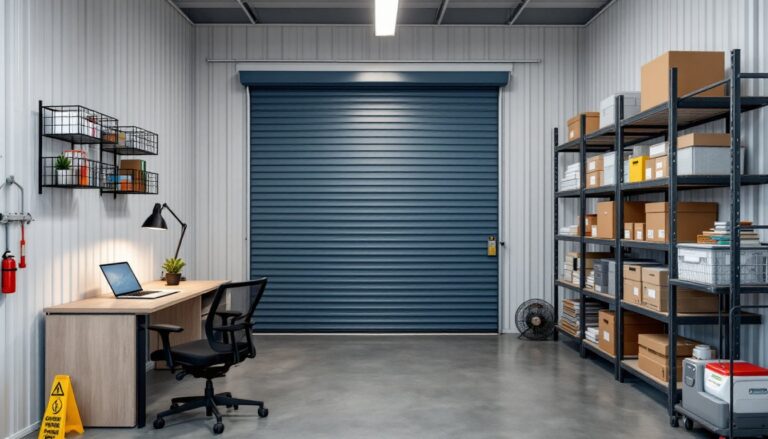
Garage storage works when wall-mounted shelving or overhead racks are installed. Bins shouldn’t sit on concrete floors, moisture wicks up even through plastic. Use pressure-treated lumber shelving at least 6″ off the ground. Overhead garage racks rated for 600+ pounds handle seasonal storage without sacrificing parking space. Just don’t store bins on exposed attic-style ceiling joists without proper decking, standard 2×6 ceiling joists aren’t designed for walking loads and aren’t safe without reinforcement.
Attic storage requires caution. Check that attic framing can support loaded bins, most residential attics have ceiling joists rated for 10–20 pounds per square foot for insulation only, not storage loads. If attic has a plywood floor and meets local building codes for storage, it’s viable. Temperature extremes (120°F+ in summer, below freezing in winter) don’t harm quality plastic bins but can fade decorations over years. Keep bins away from roof penetrations where leaks occur.
Basement storage works in dry basements only. Any basement with past water intrusion, efflorescence on walls, or musty smell isn’t safe for cardboard and requires sealed plastic bins elevated on shelving. Consider storage units for long-term solutions if basement moisture is chronic.
Closet storage is prime real estate, don’t waste it on bulky decorations unless space is plentiful. Reserve closets for frequently accessed or high-value items. Use closet floor space for low-profile bins rather than deep totes that become overstuffed and hard to manage.
Under-bed storage handles slim bins (typically 6″ tall or less) well for small apartment dwellers. These spaces work for off-season items that rotate frequently but can’t accommodate bulky decorations or full-size trees.
For extensive collections, organizing by season rather than by item type helps. Create a holiday zone in storage rather than scattering bins throughout different areas. This centralization, whether vertical garage shelving or designated attic area, reduces retrieval time and prevents the “where did we put the lights?” scramble.